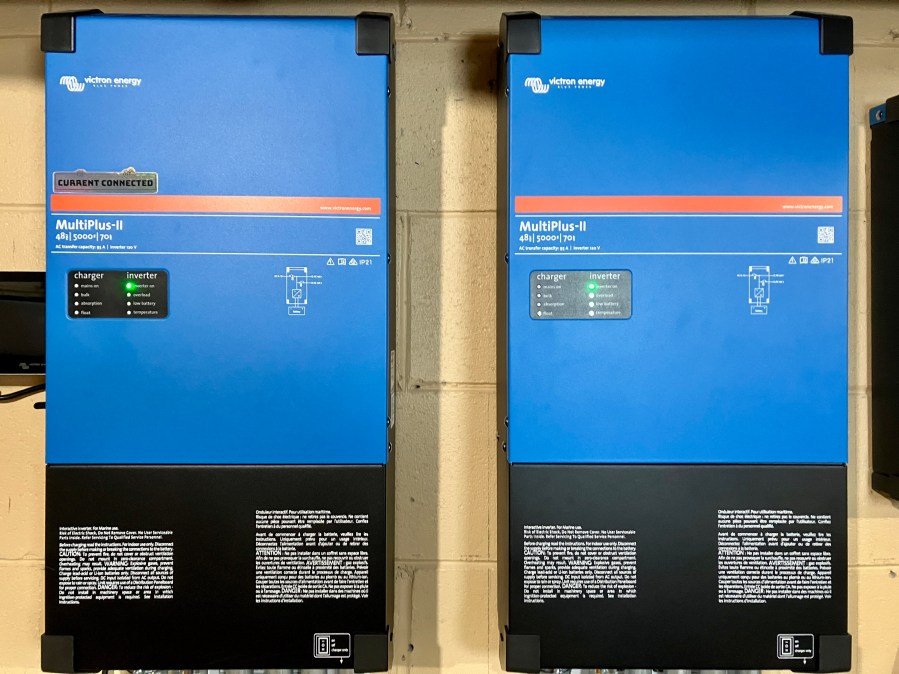
Victron 48V MultiPlus-II 5kVA 120V Inverter
48V inverter/charger with a built-in transfer switch. Runs the house from the batteries, charges them from the grid or a generator, and can be stacked for split-phase or more power.
See it in a videoEverything that's gone into my system — plus the products I've tested along the way — with where to buy it and the video where you can see it in action.
Some links on this site are affiliate links. If you buy through them I get a small commission, at no extra cost to you. It helps keep the videos coming.
Nothing matches those filters. Try a different type or brand, or .
48V inverter/charger with a built-in transfer switch. Runs the house from the batteries, charges them from the grid or a generator, and can be stacked for split-phase or more power.
See it in a video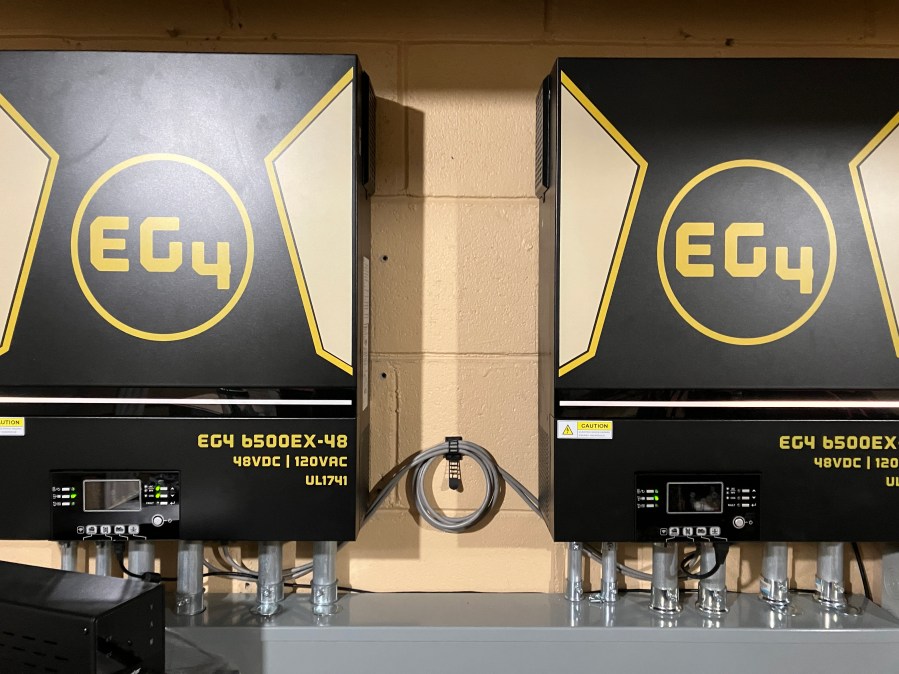
All-in-one off-grid unit: inverter, MPPT solar charger and battery charger in one box. Two can be paired for 120/240V split phase.
See it in a video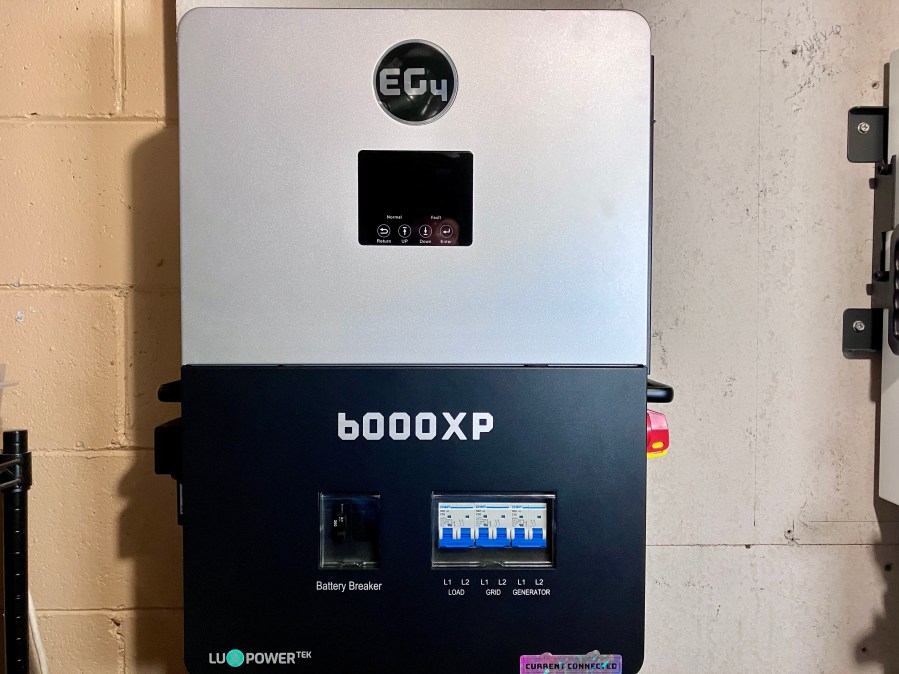
All-in-one off-grid inverter with native 120/240V split-phase output, so a single unit can run 240V loads like a well pump or dryer.
Watch my review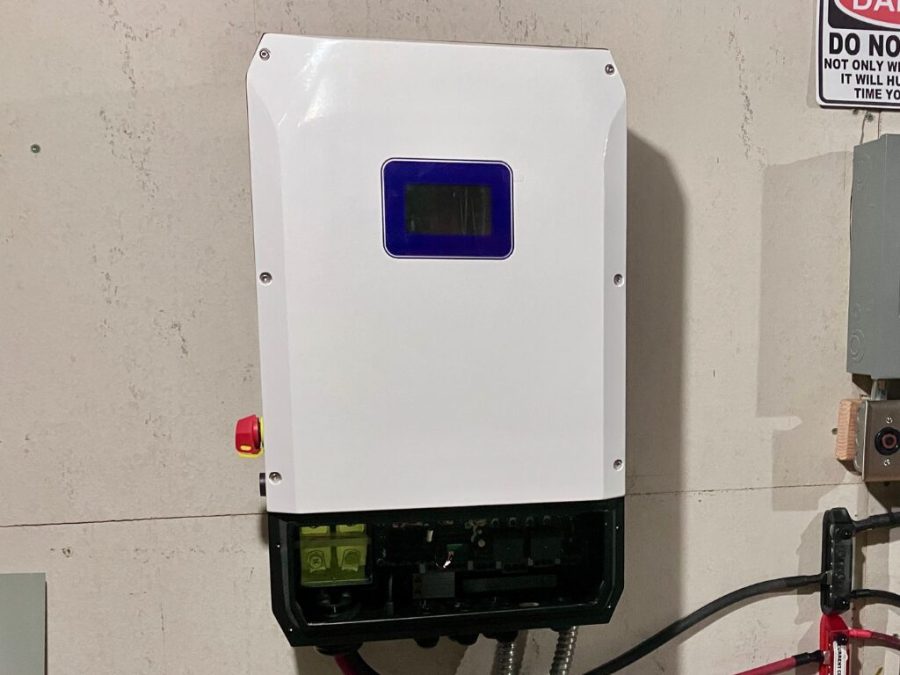
Outdoor-rated, UL-listed hybrid inverter with 120/240V output and grid-interactive operation. Four PV inputs up to 500V make it easy to run several array orientations.
Watch my review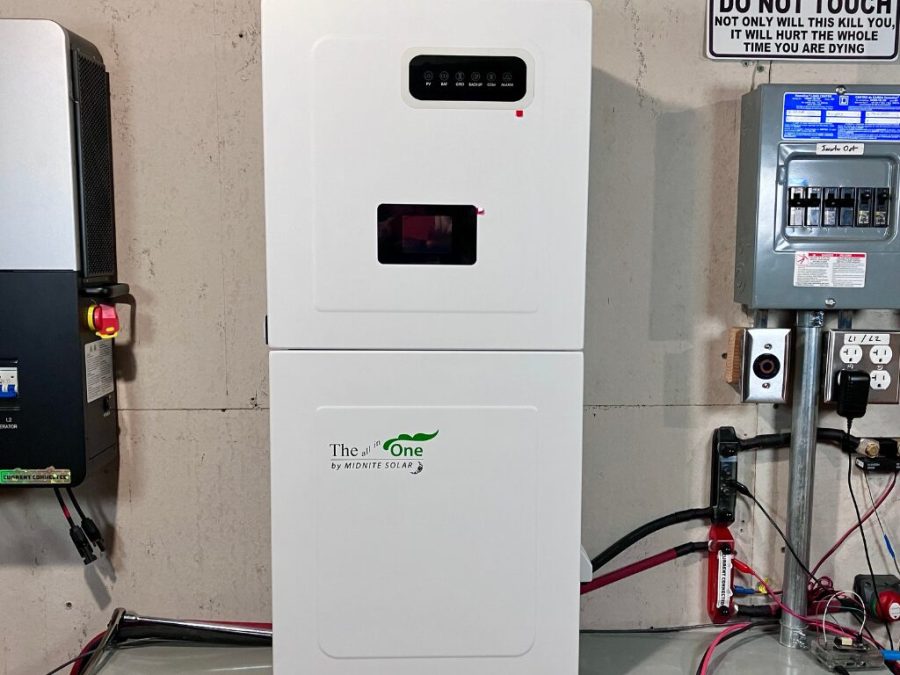
11.4kW Hybrid All-In-One Inverter
120/240V AC; 15,000W Max PV Input Power
11.4kW hybrid all-in-one inverter with 120/240V output and up to 15kW of solar input — a big, whole-home system in one enclosure.
Watch my review
Current Connected's split-phase package built around two MultiPlus-II 5kVA inverters. Paired together they give 120/240V for the whole house, and this is the core of my setup.
See it in a video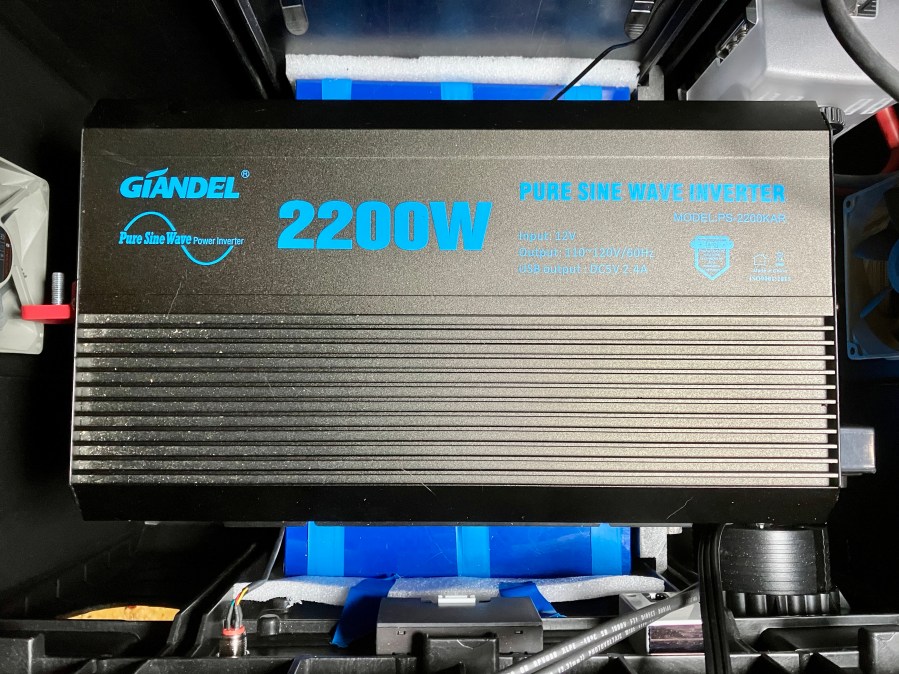
Turns battery power into clean household AC for tools and appliances.
See it in a video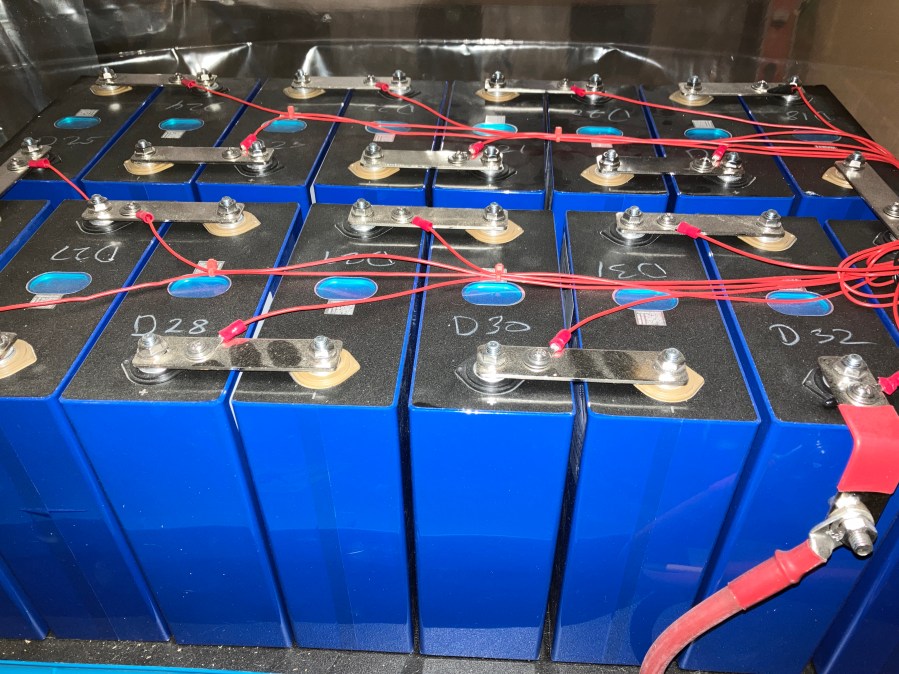
Large prismatic lithium iron phosphate cells. Sixteen in series make a 48V (51.2V) battery of about 14kWh — the cheapest way to build serious storage yourself.
See it in a video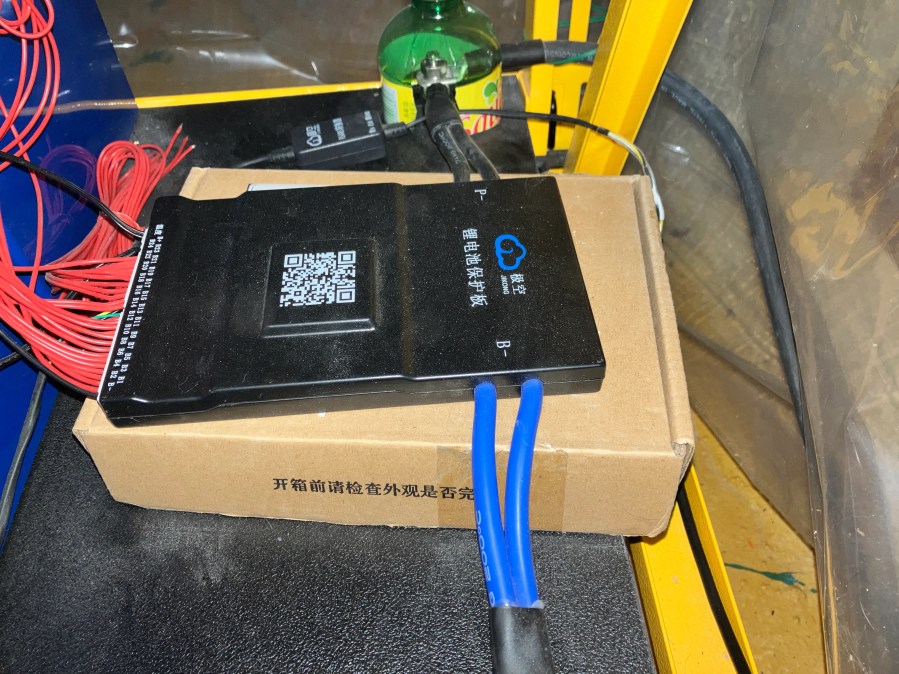
Battery management system for a DIY LiFePO4 pack. Protects the cells from over/under-voltage, over-current and temperature, and actively balances them at up to 2A. Set up and monitored over Bluetooth.
See it in a video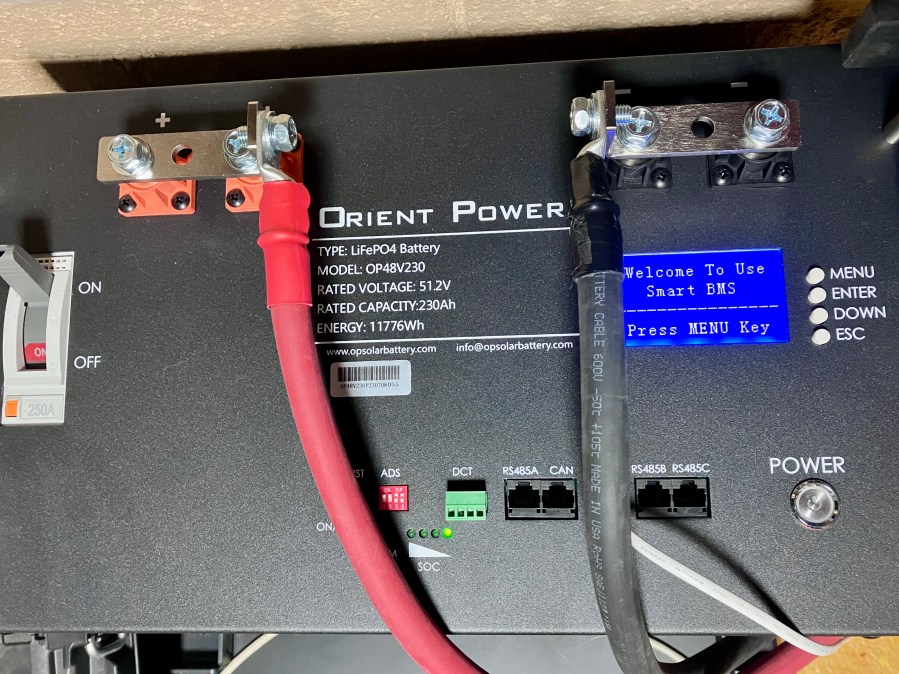
About 11.8kWh of ready-made LiFePO4 storage in a rack-mount case with its own BMS. No cell building required — slide it in and wire it up.
Watch my review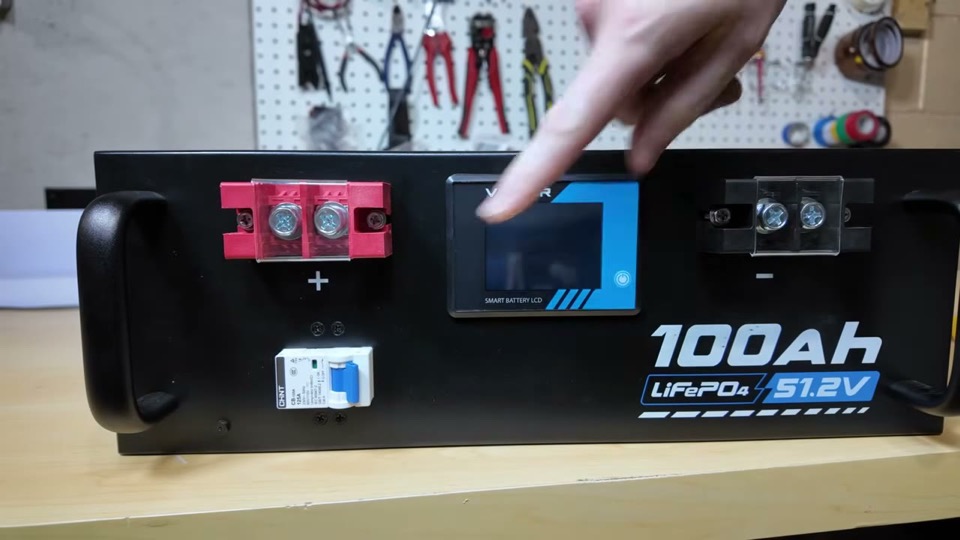
51.2V LiFePO4 rack battery with a built-in 100A BMS, touchscreen display and self-heating for charging in cold weather. I added it when I expanded my battery bank.
Watch my review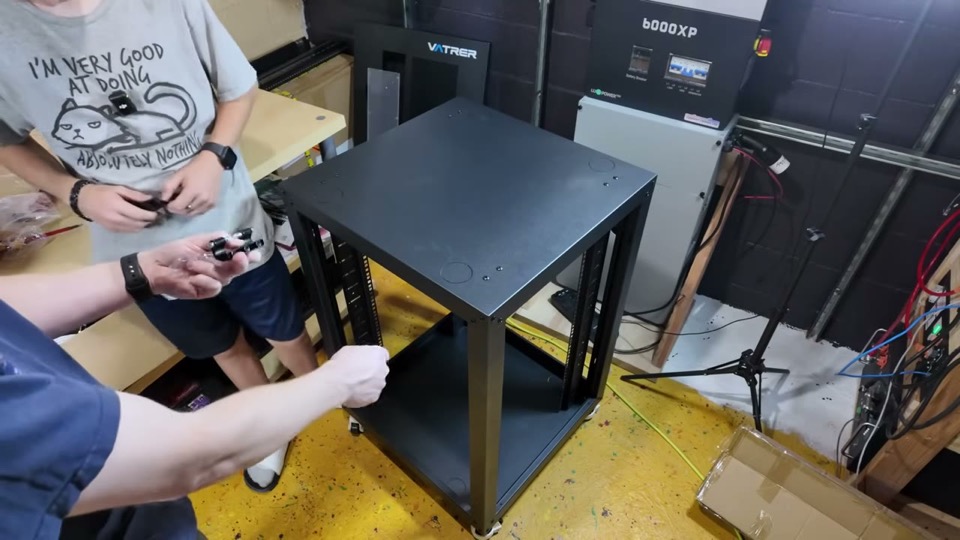
Rolling 4-shelf server-rack cabinet sized for rack batteries, with ventilation and locking casters.
Watch my review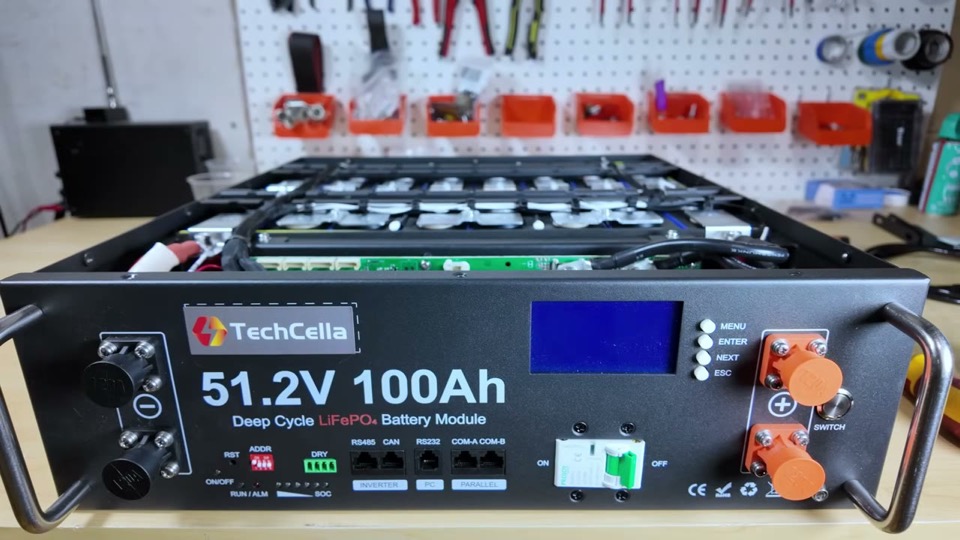
51.2V LiFePO4 rack battery with a 100A BMS, inverter communication and a built-in display. The cheapest rack battery I've tested.
Watch my review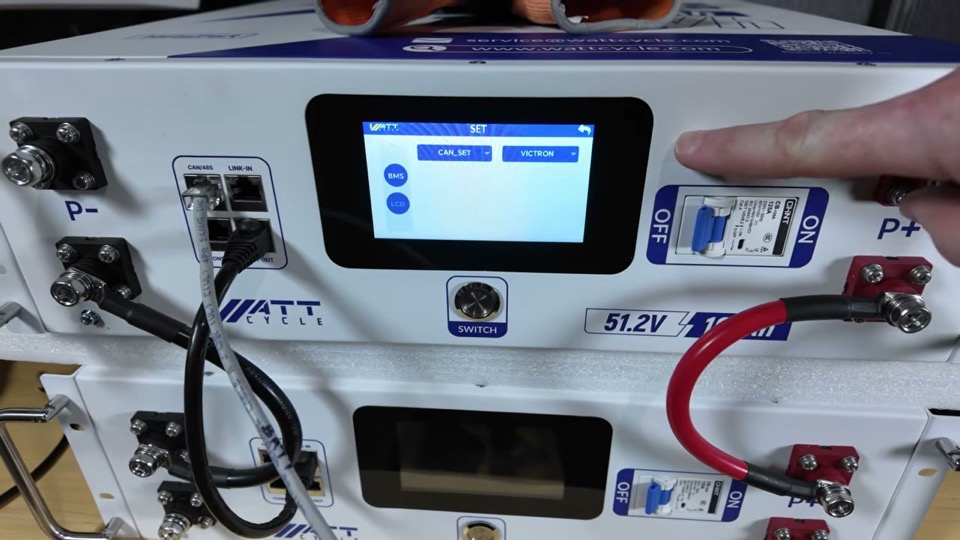
Rack battery with Bluetooth monitoring. In my testing, both units beat their rated 100Ah, and the BMS protections worked as advertised.
Watch my review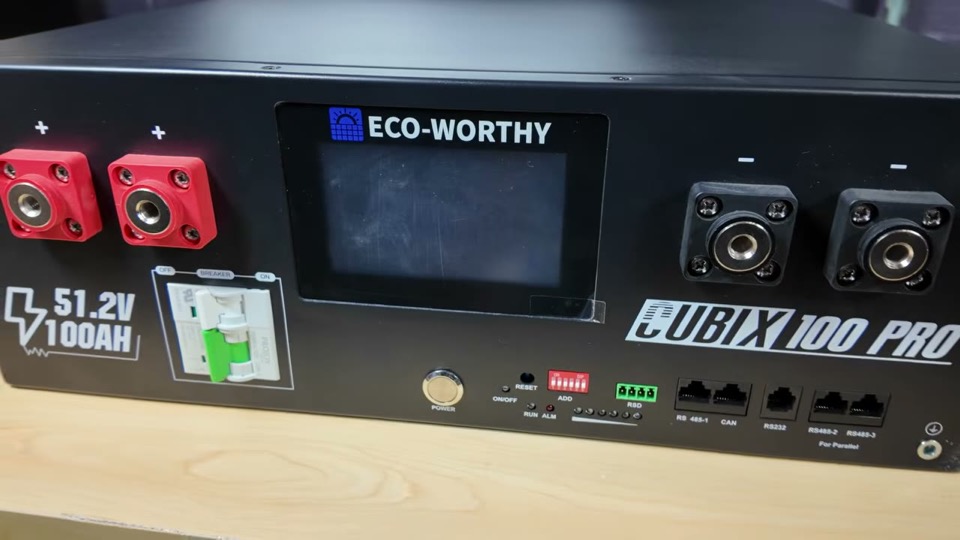
51.2V 100Ah rack battery built to charge safely below freezing. I covered the cold-weather fix in a follow-up video.
Watch my review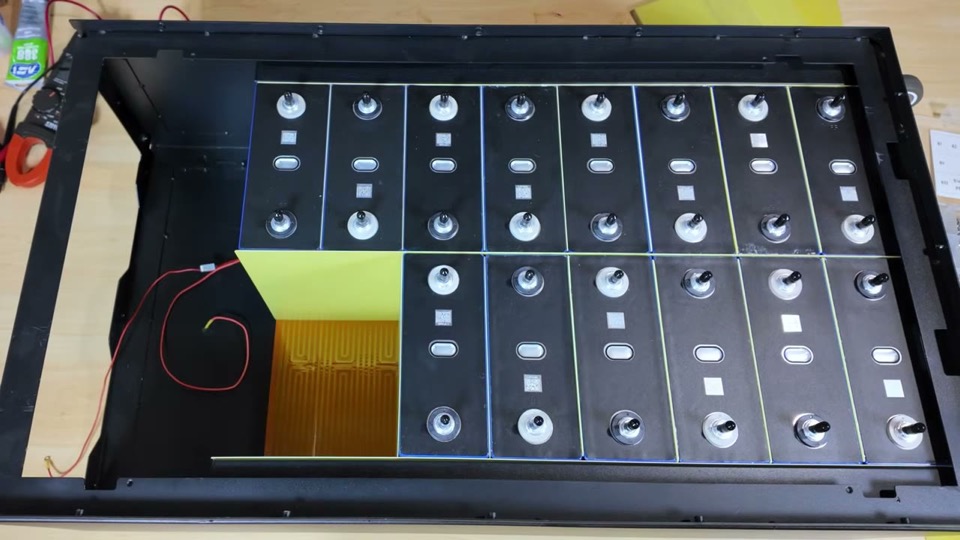
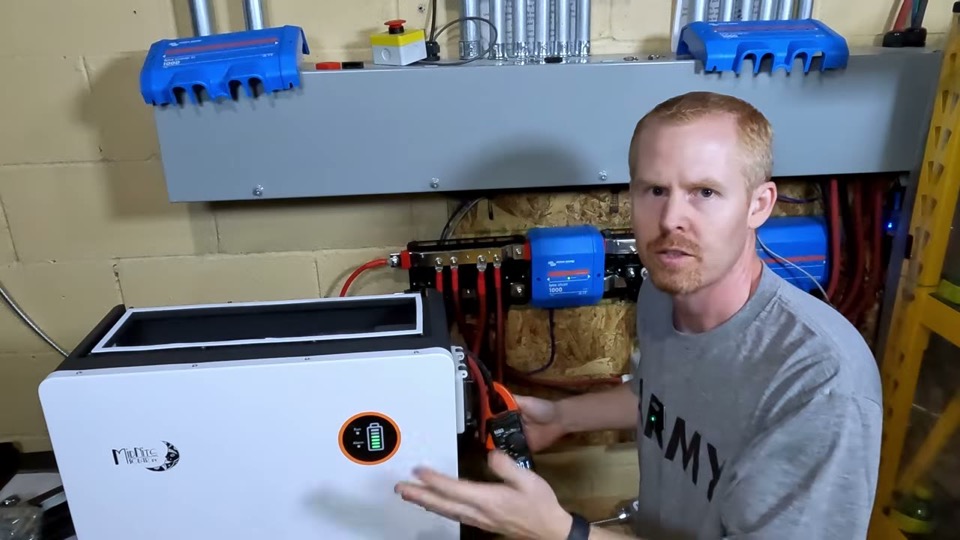
Battery case with BMS and breaker plus 16 EVE 314Ah cells — everything needed to build a roughly 16kWh 48V pack yourself.
Watch my review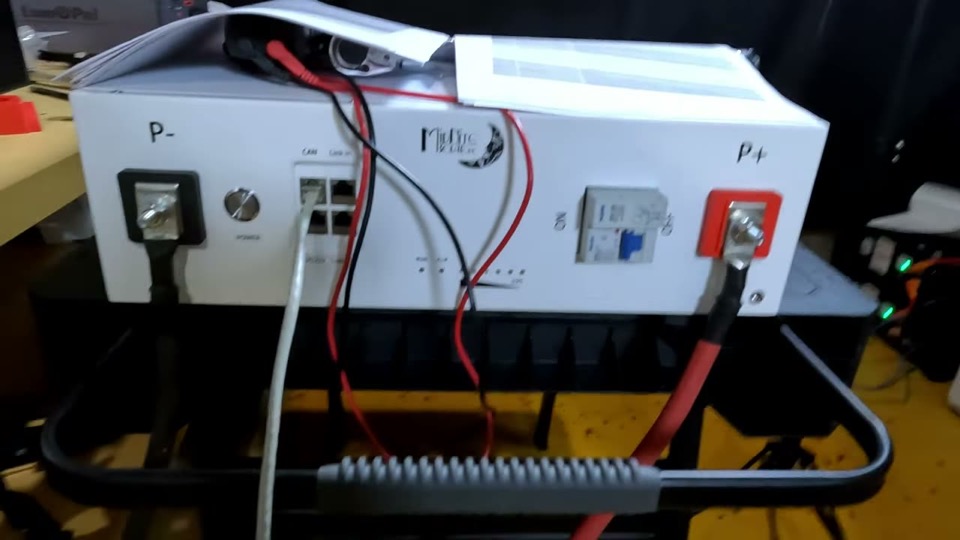
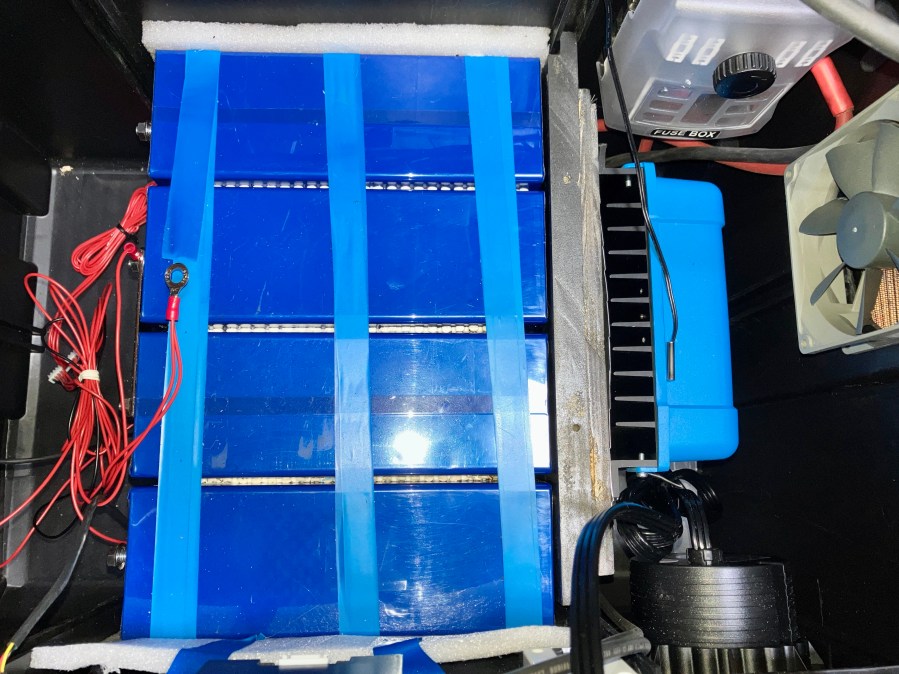
Large prismatic LiFePO4 cells from EVE, a well-known manufacturer. These make up the battery pack.
See it in a video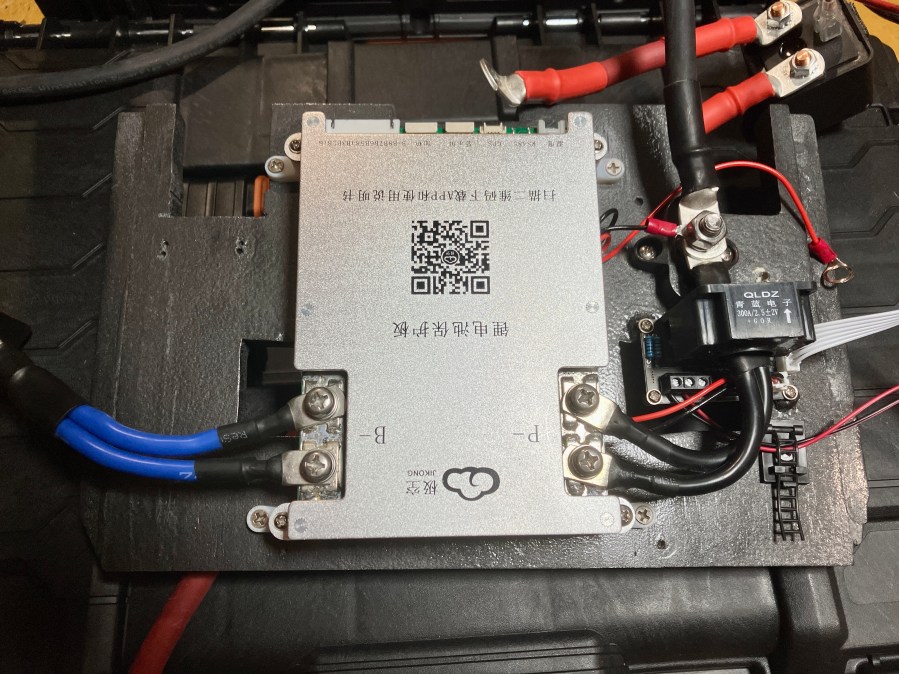
Protects and balances the cells in the pack, with Bluetooth monitoring.
See it in a video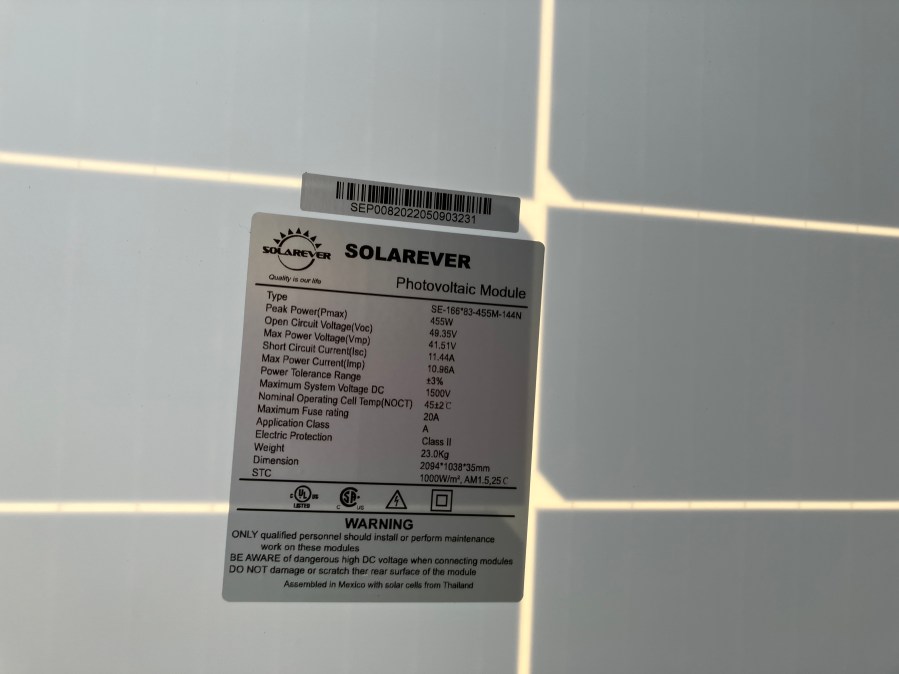
High-output monocrystalline panels. More watts per panel means fewer panels, rails and connections for the same array size.
See it in a video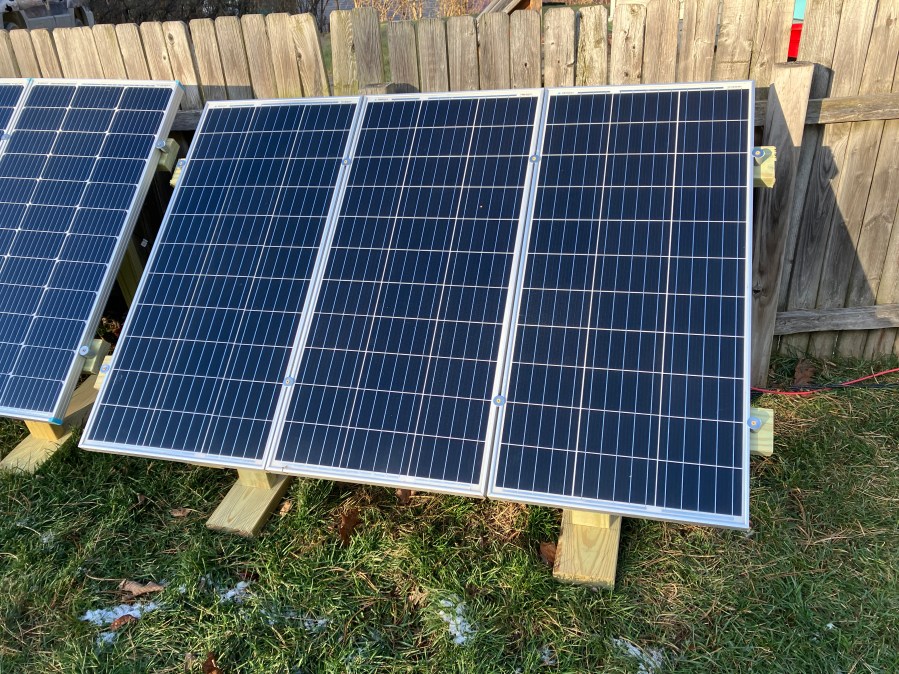
Compact 12V monocrystalline panels — good for small systems, sheds, RVs and portable setups.
See it in a video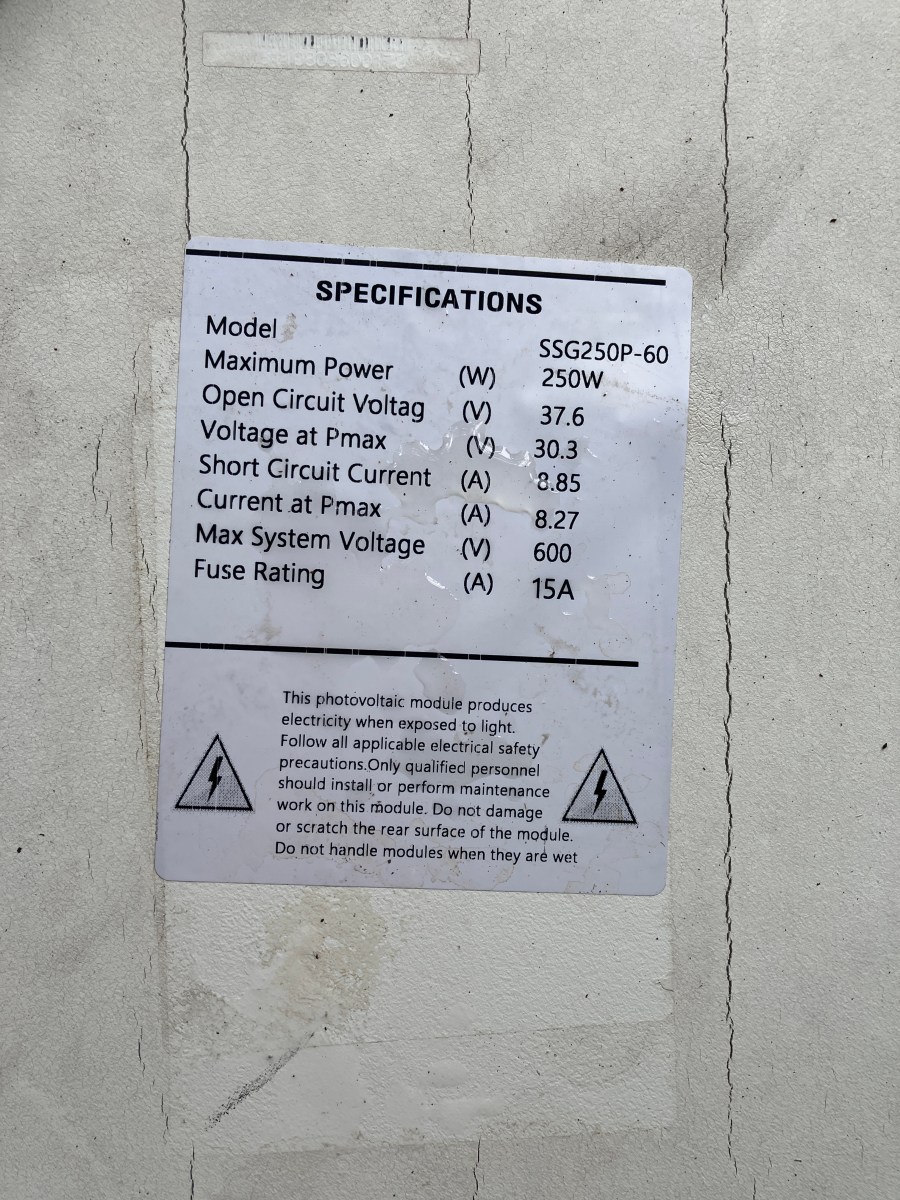
Used panels pulled from commercial arrays and tested for resale. A very low cost per watt if you have the room to mount a few extra.
See it in a video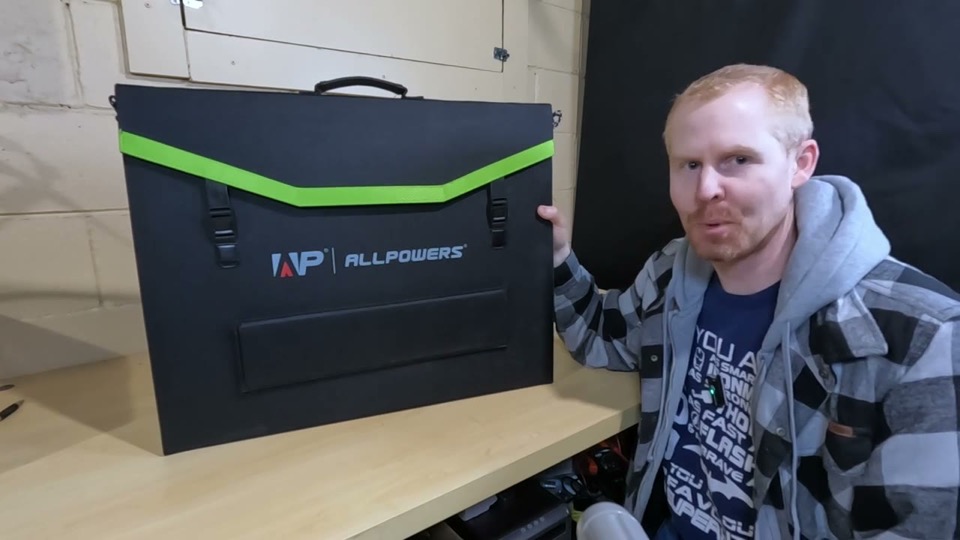
Folding 200W panel for recharging a power station in the field.
Watch my review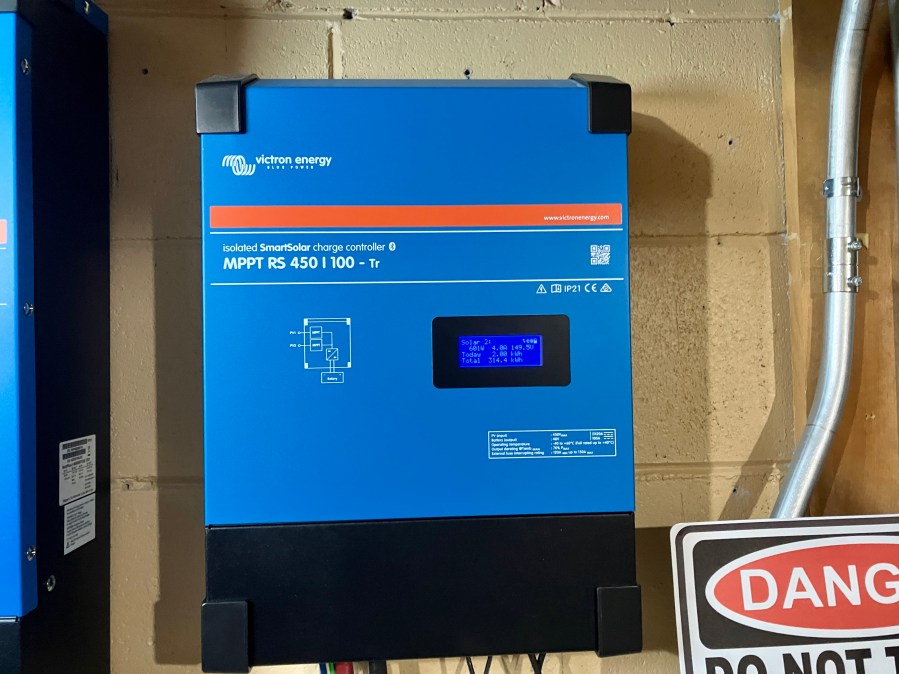
High-voltage MPPT solar charge controller for 48V batteries. Accepts PV strings up to 450V and charges at up to 100A, with Bluetooth and VE.Can for monitoring.
Watch my review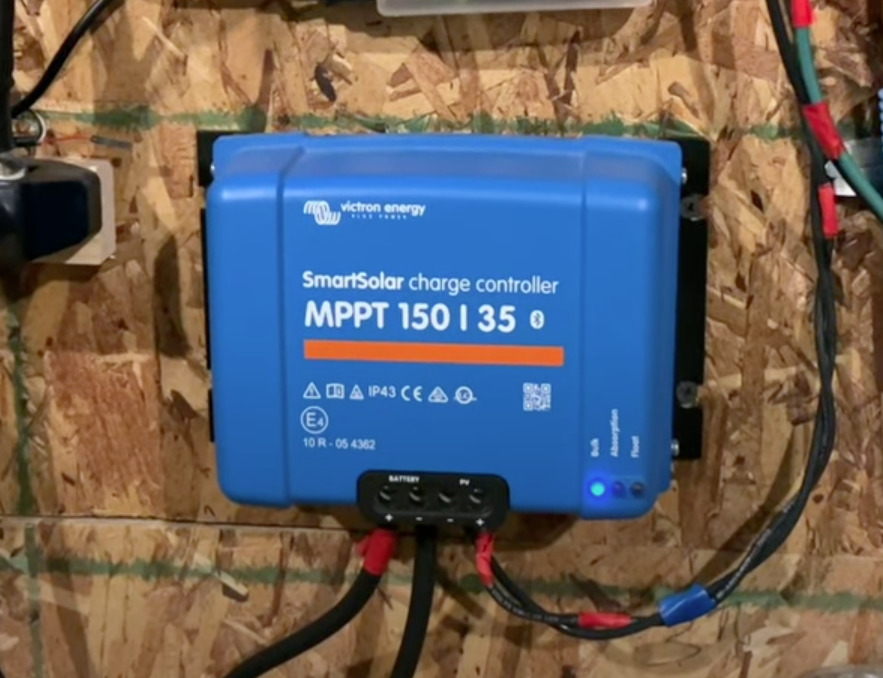
MPPT charge controller for 12–48V batteries: up to 150V of PV input and 35A of charging, with Bluetooth monitoring from your phone.
See it in a video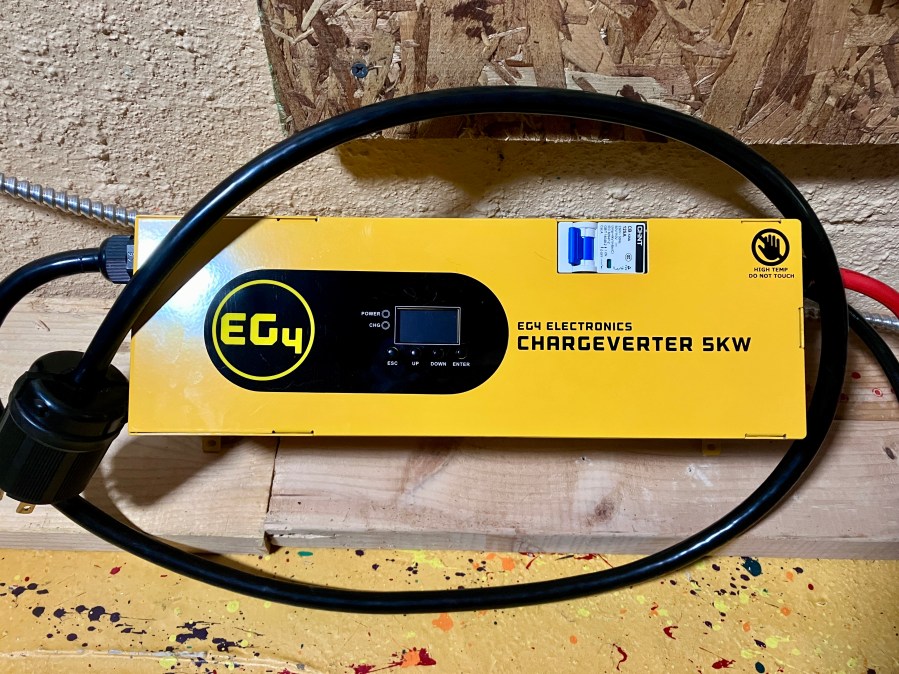
Converts AC from a generator or the grid into up to 100A of 48V battery charging, sized to make good use of a generator's output.
Watch my review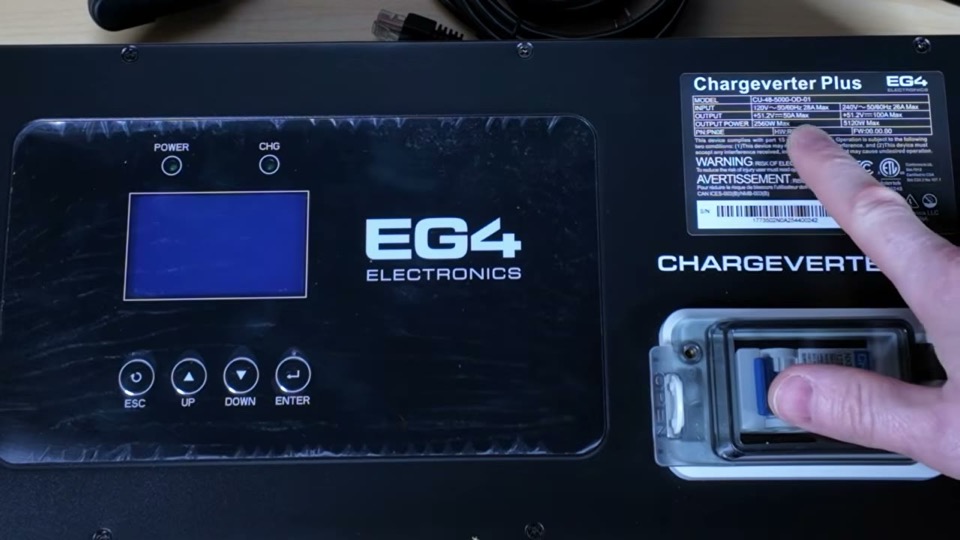
The newer, outdoor-rated version of the Chargeverter: up to 100A of 48V charging from a generator or the grid.
Watch my review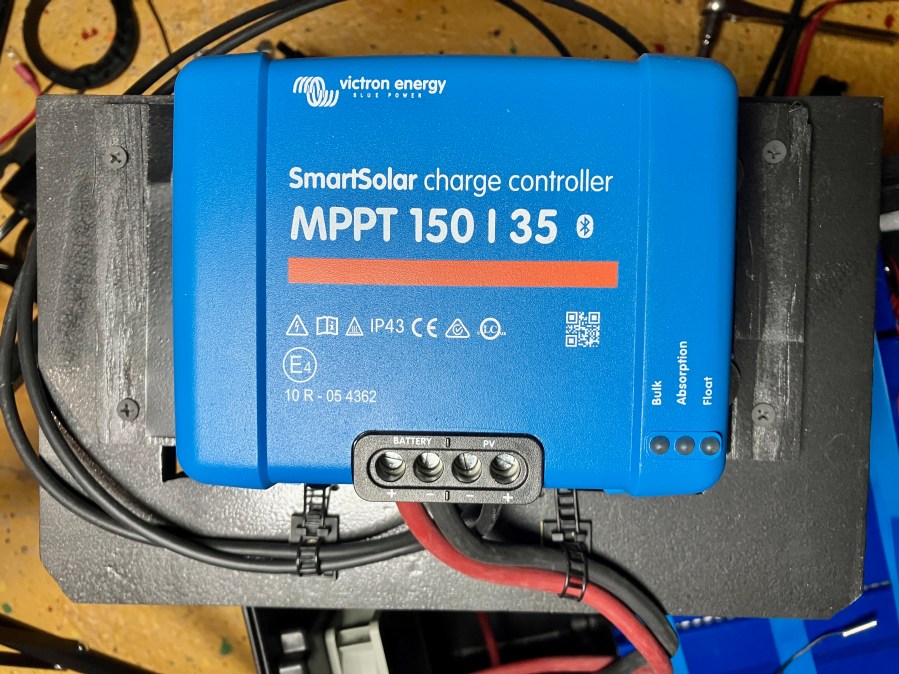
Solar charge controller, so the power station can recharge from panels out in the field.
See it in a video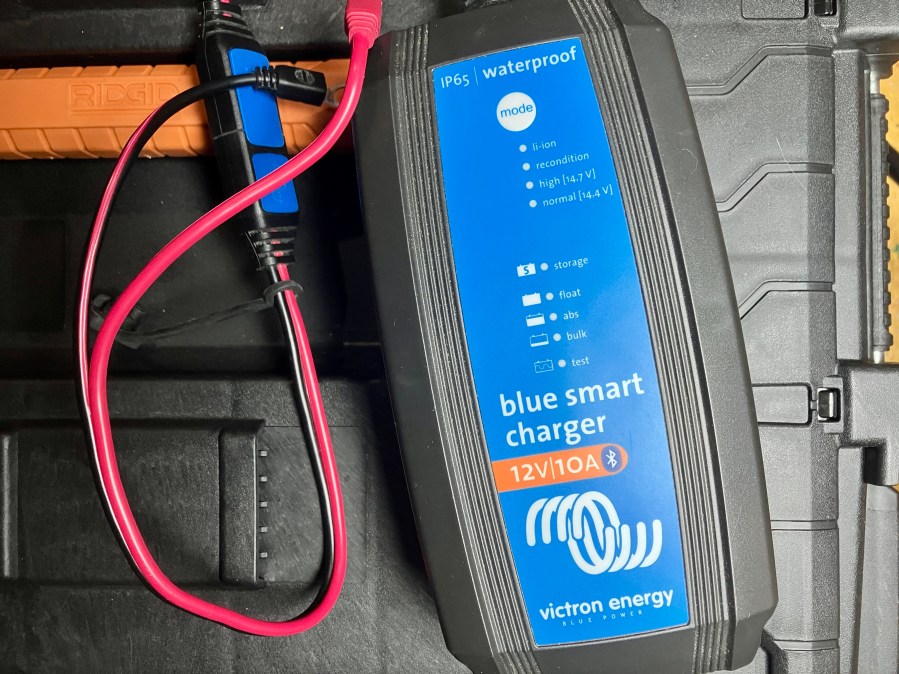
Weatherproof AC charger for topping up the battery from a wall outlet, with Bluetooth monitoring.
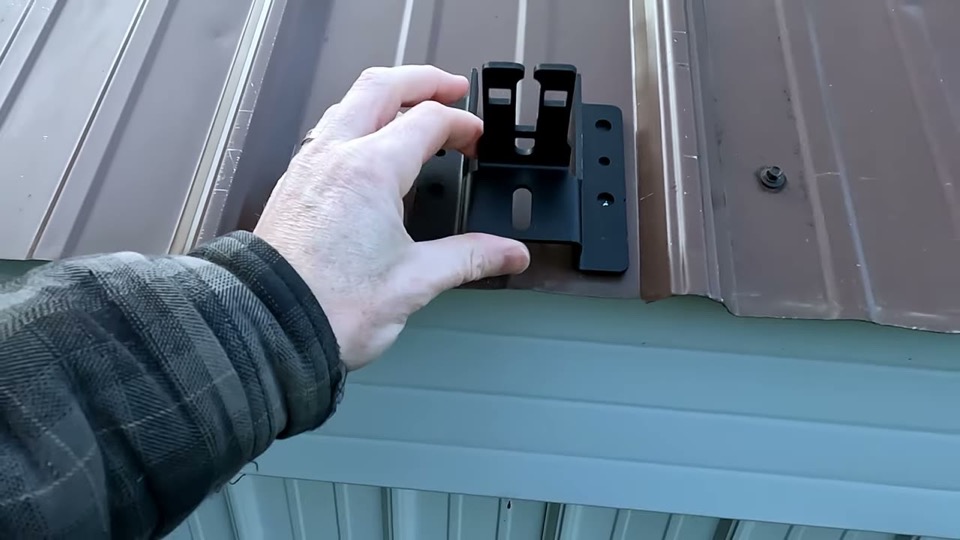
Self-sealing brackets that mount rails straight to a metal roof's deck, with no clamps to seams needed.
See it in a video
Aluminum mounting rails that the panels clamp to. The XR100 handles residential roof spans with a lot of strength to spare.
See it in a video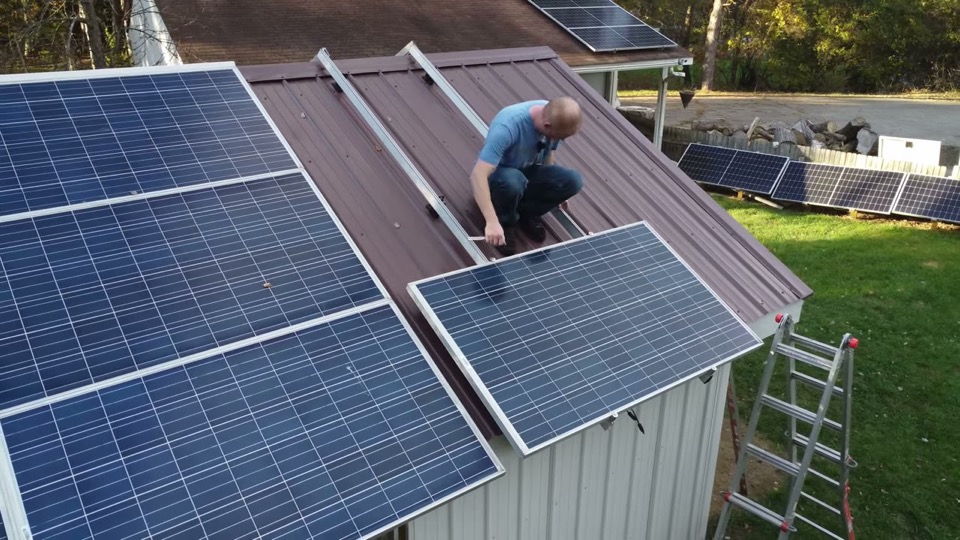
One clamp that works as both a mid and end clamp, and also bonds the panel frame to the rail for grounding.
See it in a video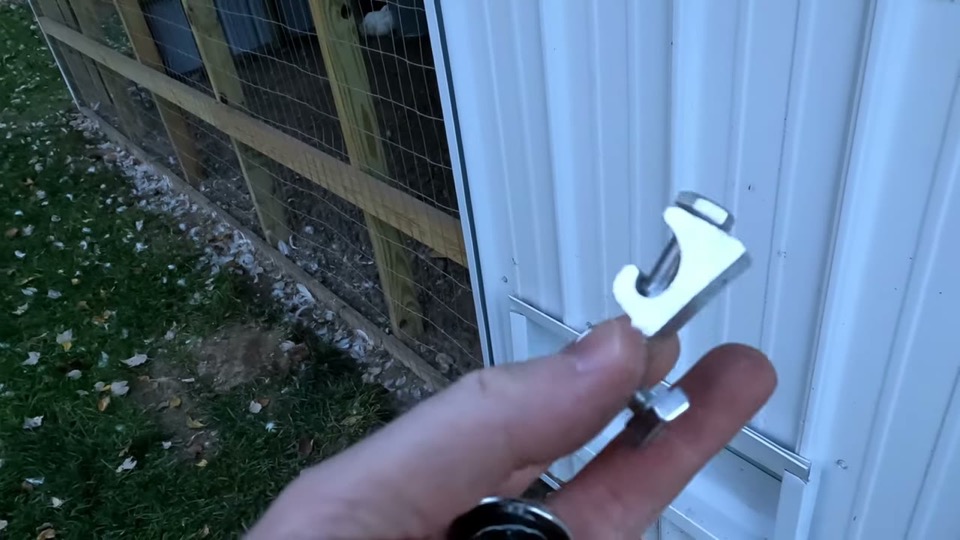
Connects the rail system to the equipment grounding conductor.
See it in a video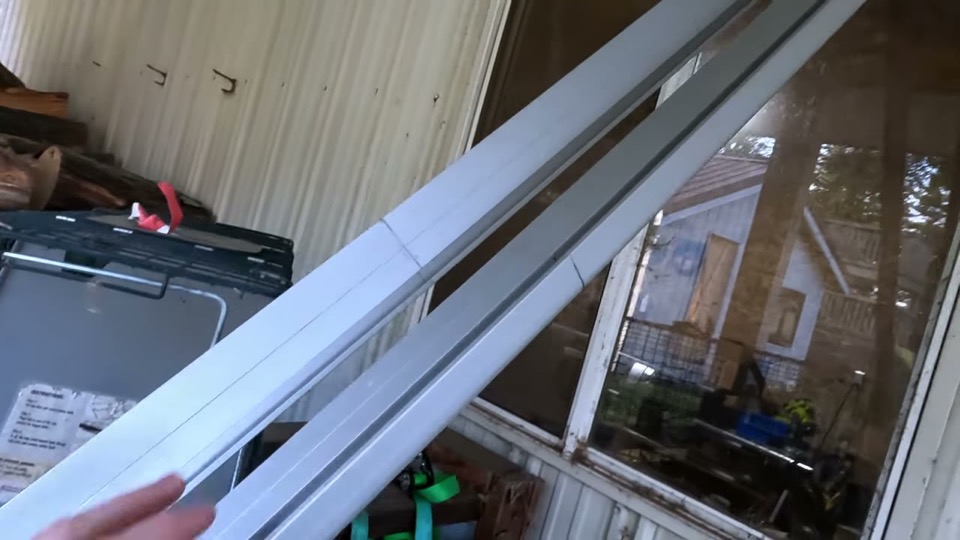
Joins two rails end-to-end and keeps them electrically bonded.
See it in a video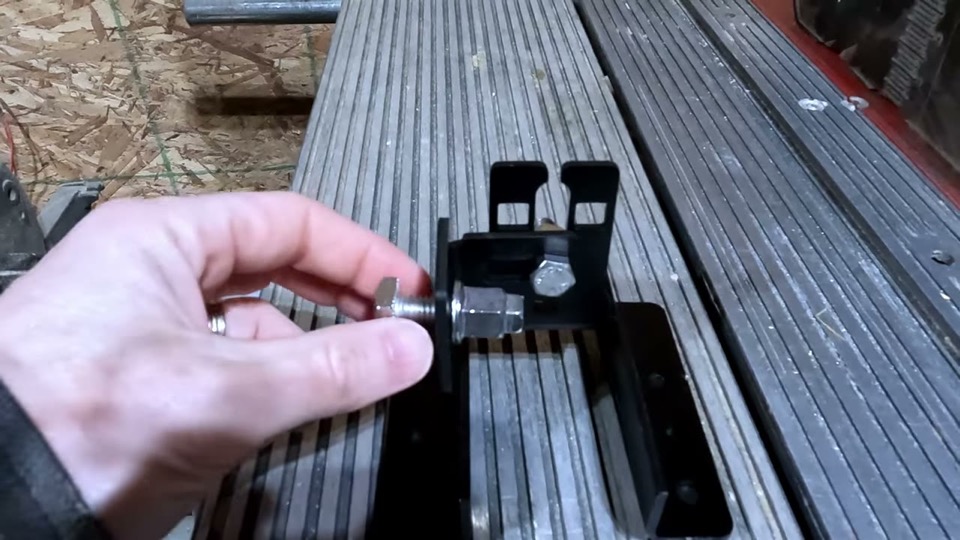
Bolts that attach the rails to the roof brackets.
See it in a video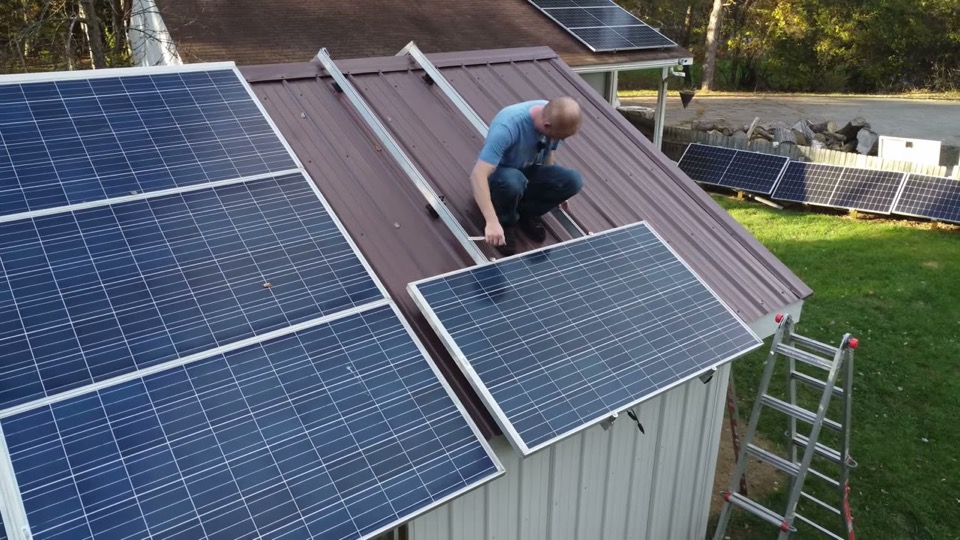
Snap onto a UFO clamp to turn it into an end clamp for the panel thickness.
See it in a video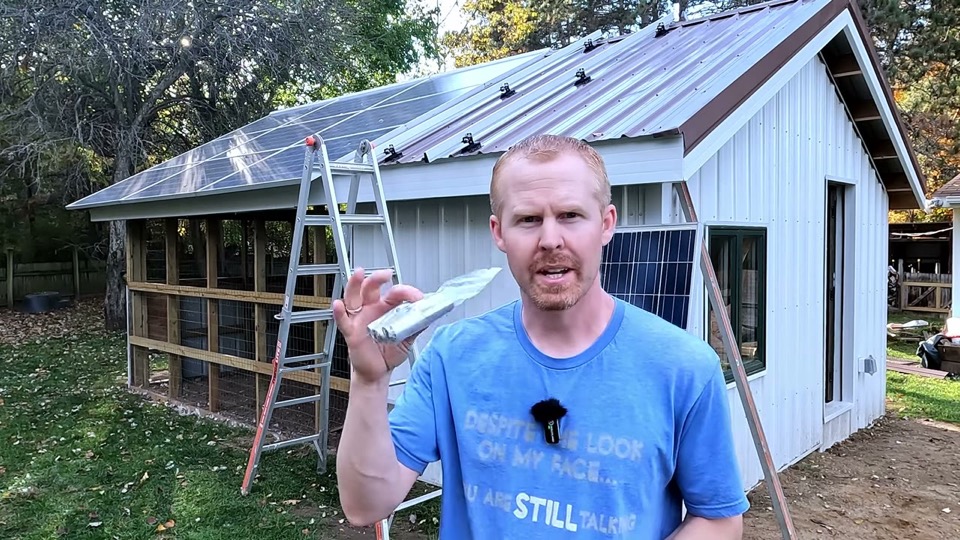
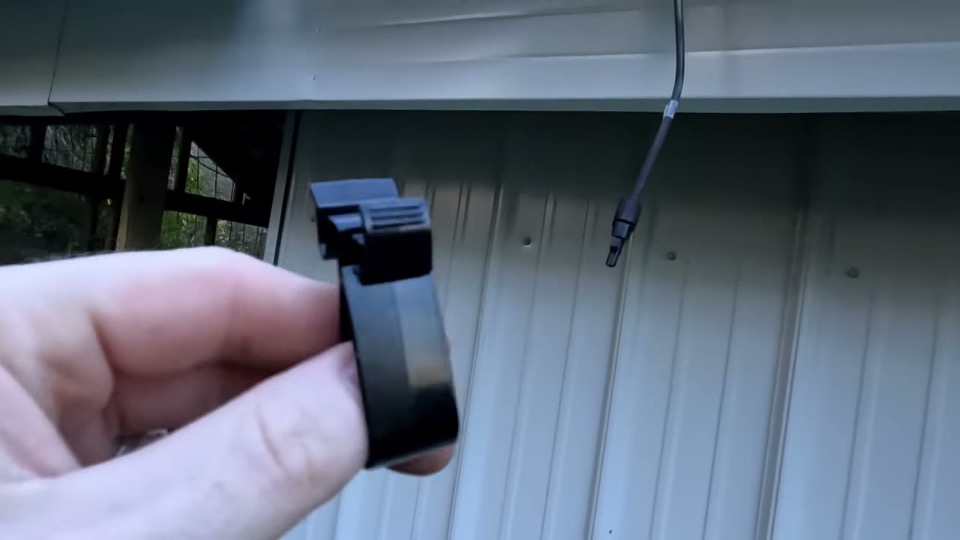
Clip into the rail to hold PV wire and connectors off the roof.
See it in a video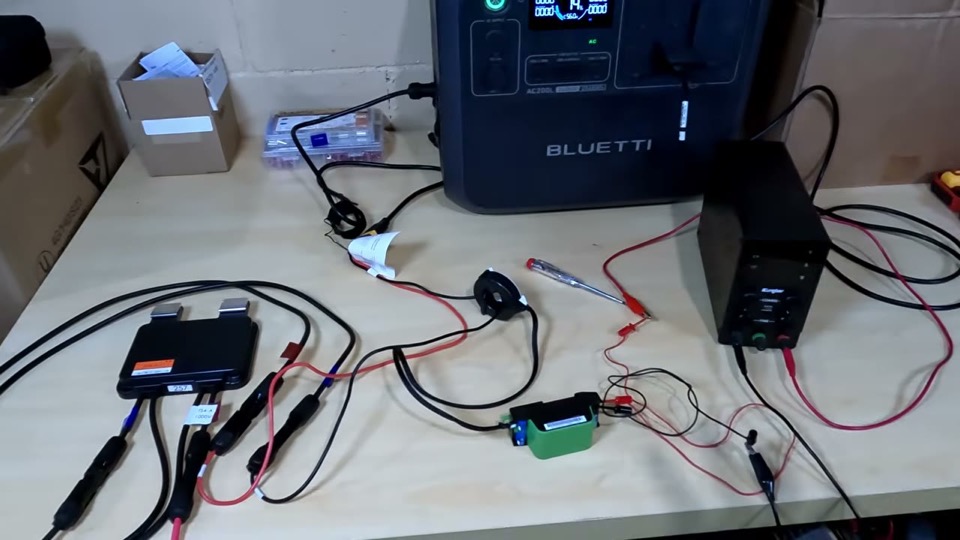
Mounts under each panel and drops the array to a safe voltage when the rapid-shutdown signal stops — what code now requires for roof arrays.
See it in a video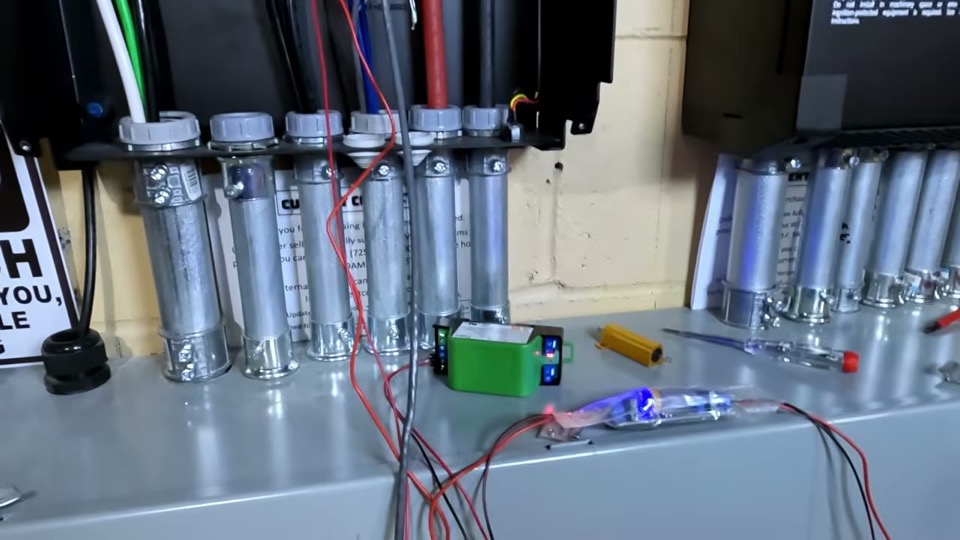
Sends the keep-alive signal to the Tigo modules. Cutting its power — or pressing the shutdown button — shuts the array down.
See it in a video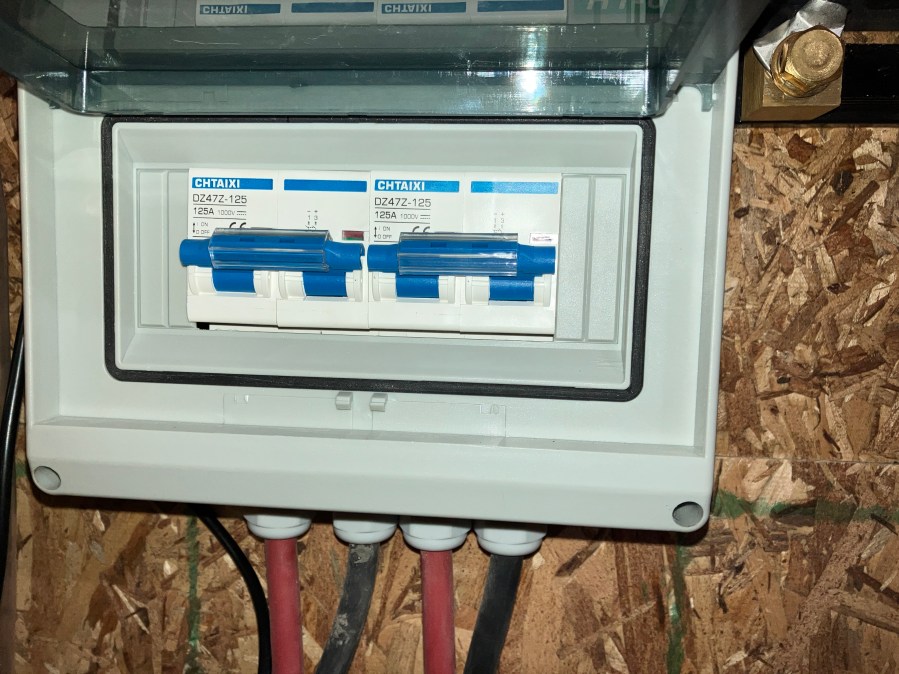
DC-rated DIN-rail breaker used as a disconnect and over-current protection between the batteries, charge controller and inverter.
See it in a video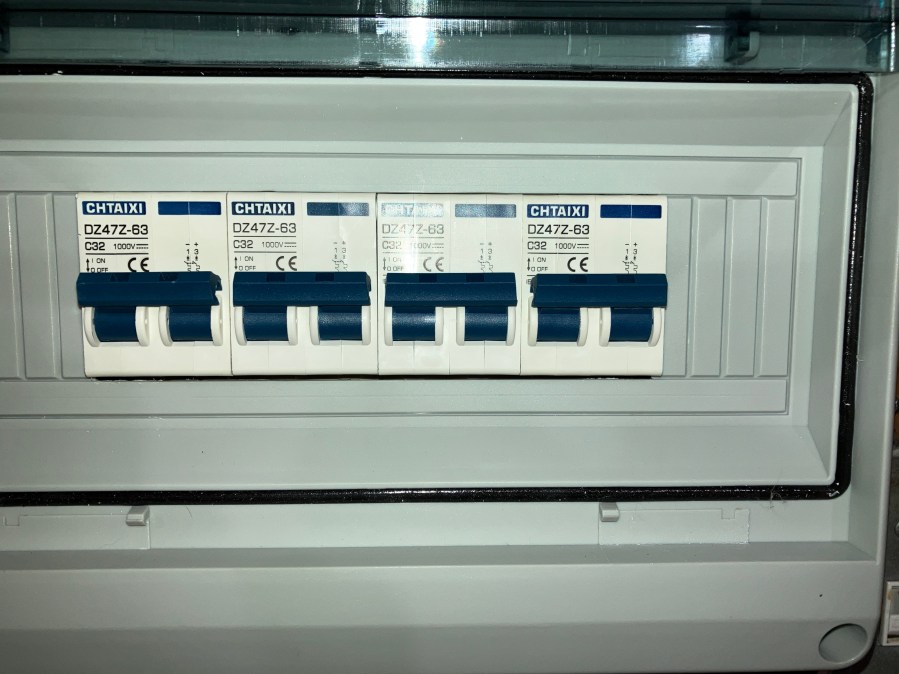
DC-rated DIN-rail breaker sized for solar strings — a safe way to disconnect and protect each PV input.
See it in a video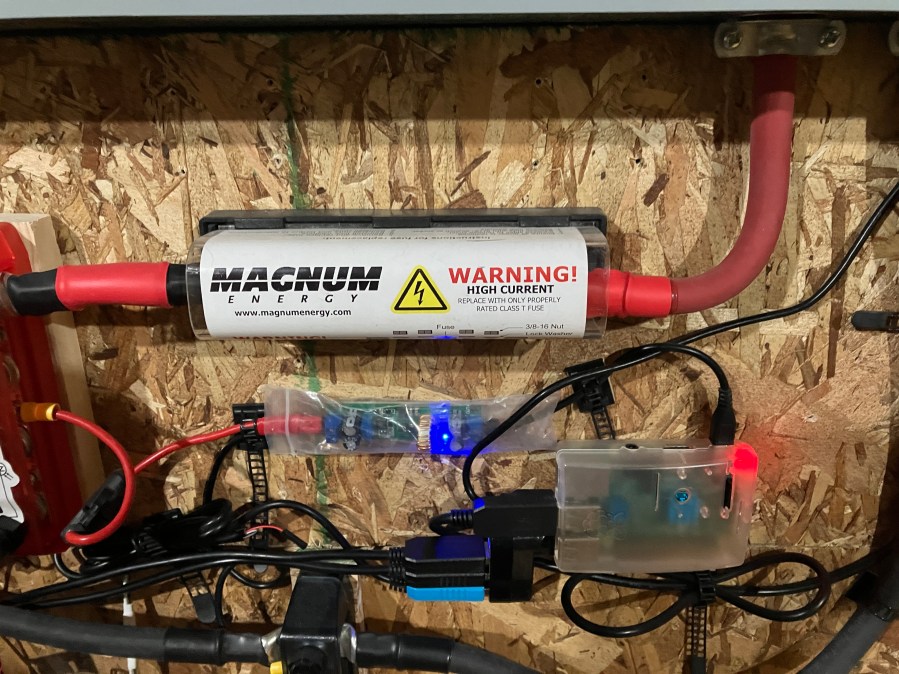
Class T fuses can safely interrupt the huge short-circuit current a lithium battery can deliver. This one goes right at the battery's positive terminal.
See it in a video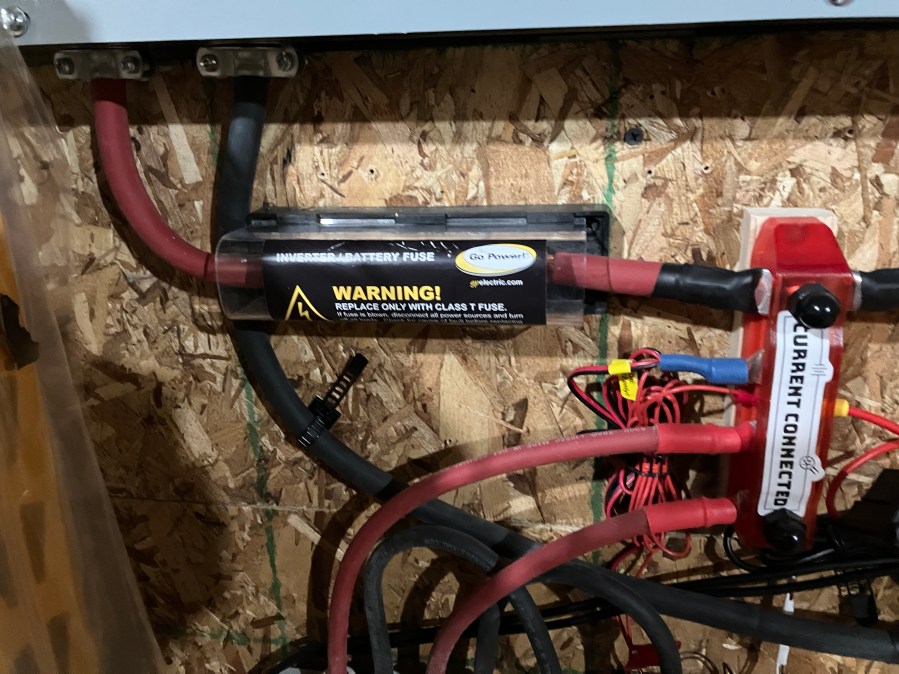
Same high-interrupt protection as the 300A version, sized for smaller banks or individual battery strings.
See it in a videoReplacement Class-T fuses for the Lynx Class-T Power In or a standalone fuse block.
See it in a video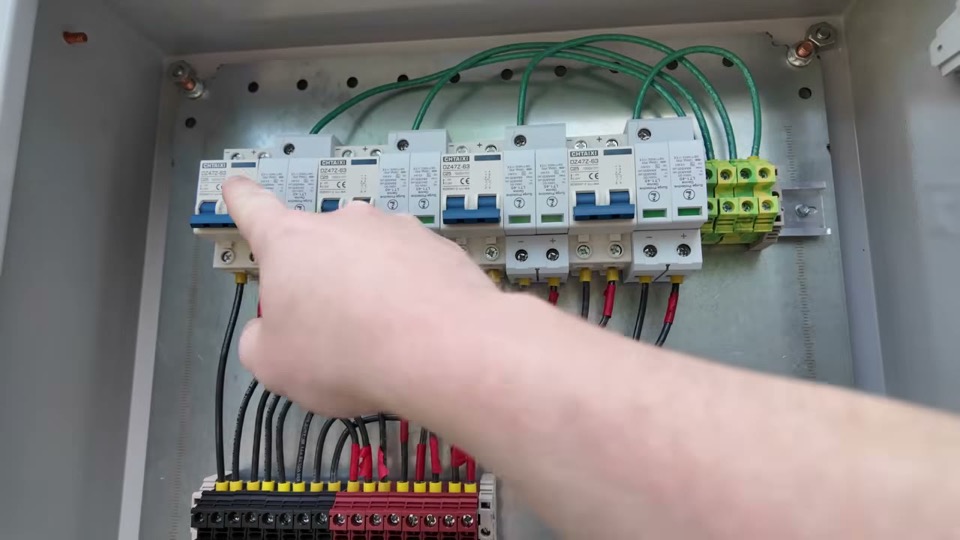
DIN-rail DC breaker used as the per-string disconnect inside my PV junction box.
See it in a video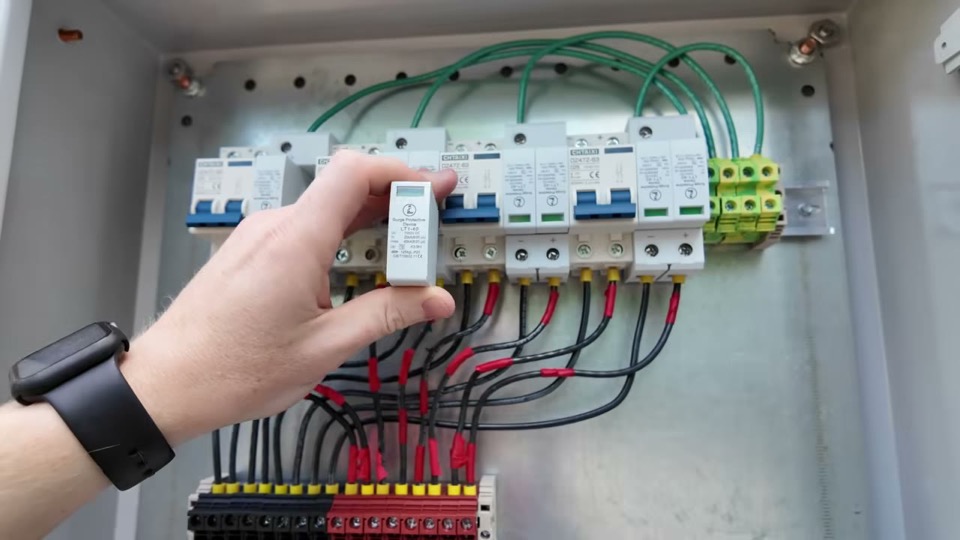
DIN-rail surge arrester that shunts lightning-induced spikes on the PV lines to ground before they reach the charge controllers.
See it in a videoMidNite's surge protector for PV, DC or AC circuits, with an indicator that shows when it has taken a hit.
See it in a videoOutdoor-rated 240V disconnect that gives you a visible, lockable way to isolate a circuit.
See it in a videoA Lynx bus bar with Class-T fuse holders built in, so each battery gets proper high-interrupt protection right at the bus. This is what I used to expand my battery bank.
See it in a video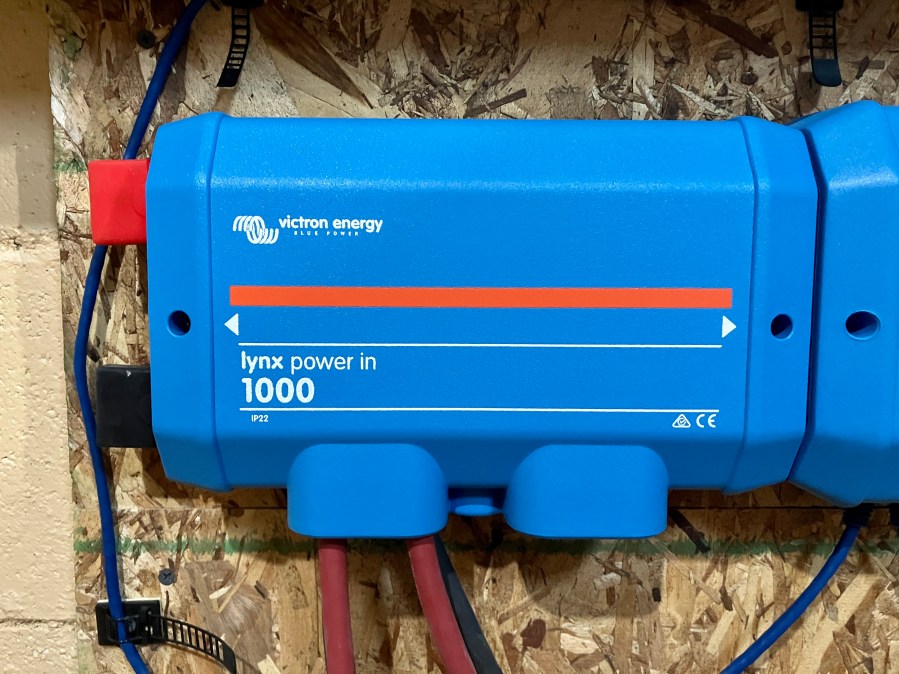
1000A modular bus bar that joins multiple batteries to a common positive and negative, with LED indicators. Bolts directly to other Lynx modules.
See it in a video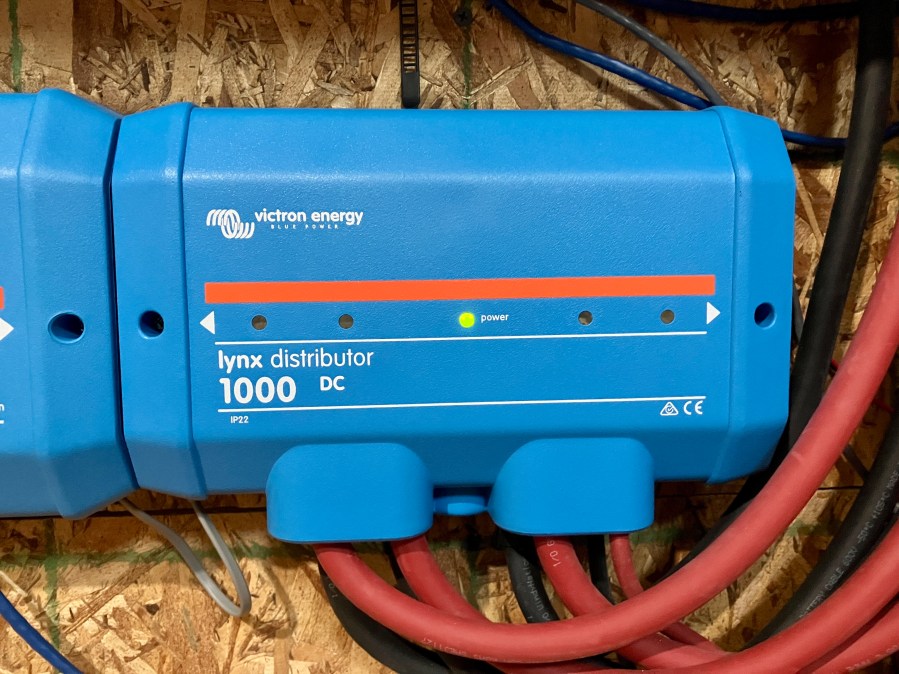
1000A bus bar with four fused outputs (MEGA fuses) and blown-fuse indicators — a clean, protected way to feed inverters and chargers.
See it in a video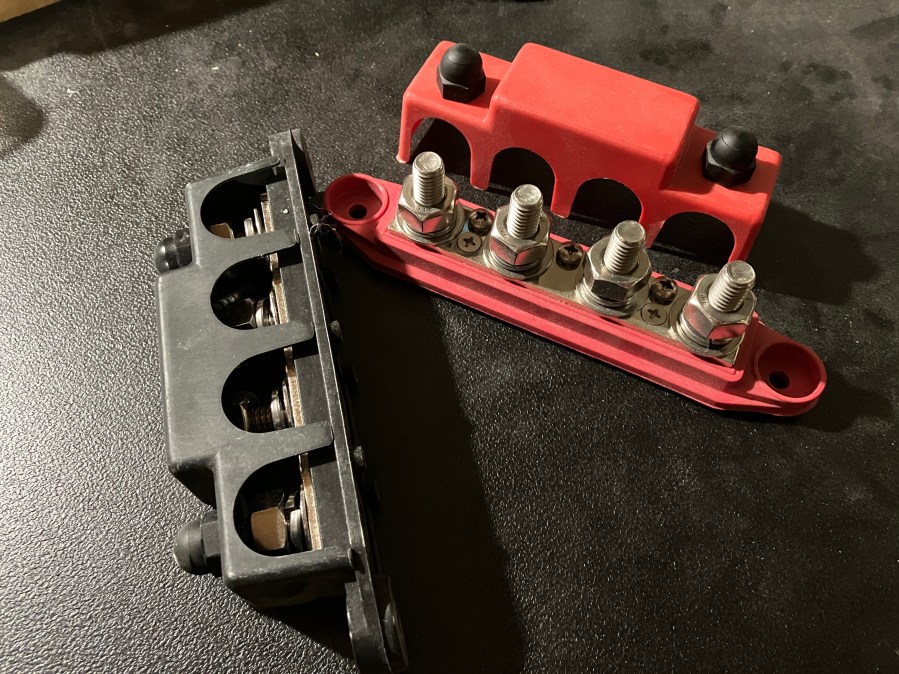
Common connection point for multiple cables on the positive or negative side, so you're not stacking lugs on a battery terminal.
See it in a video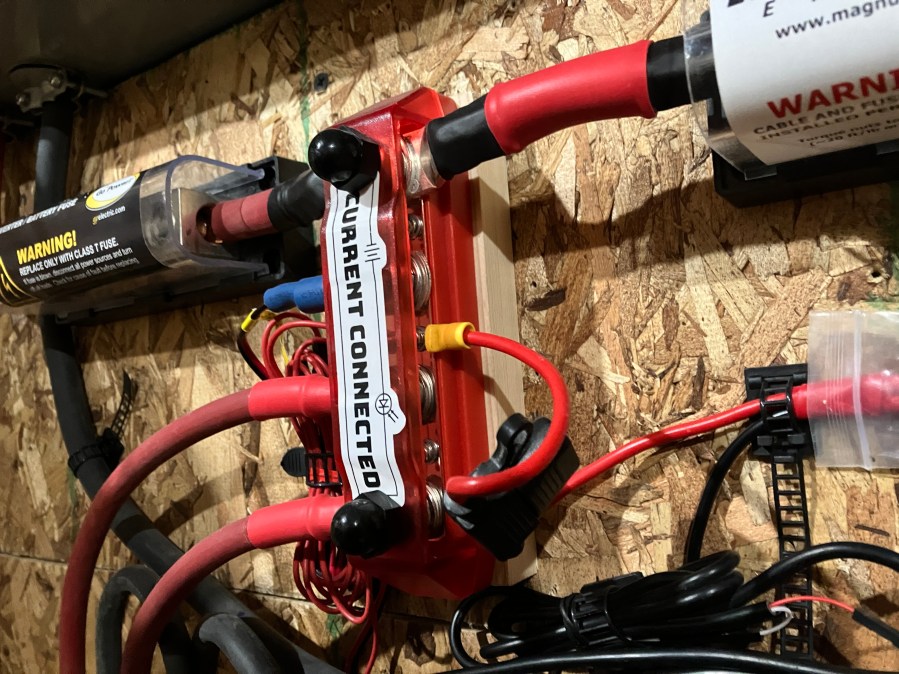
Heavier-duty bus bars for joining several high-current cables at one point.
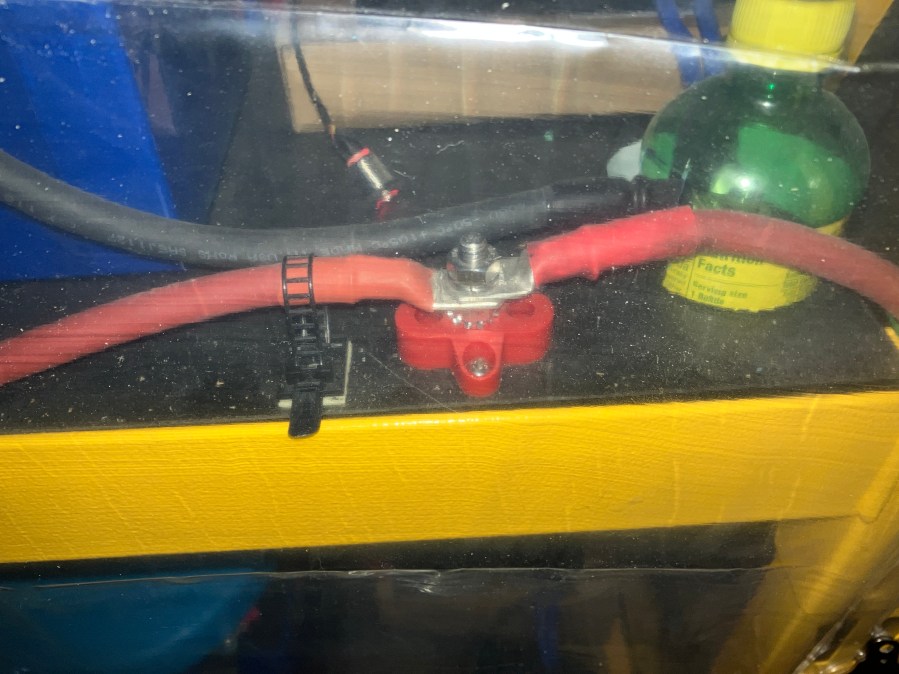
Insulated junction posts for joining a few cables or passing a connection through a panel.
See it in a video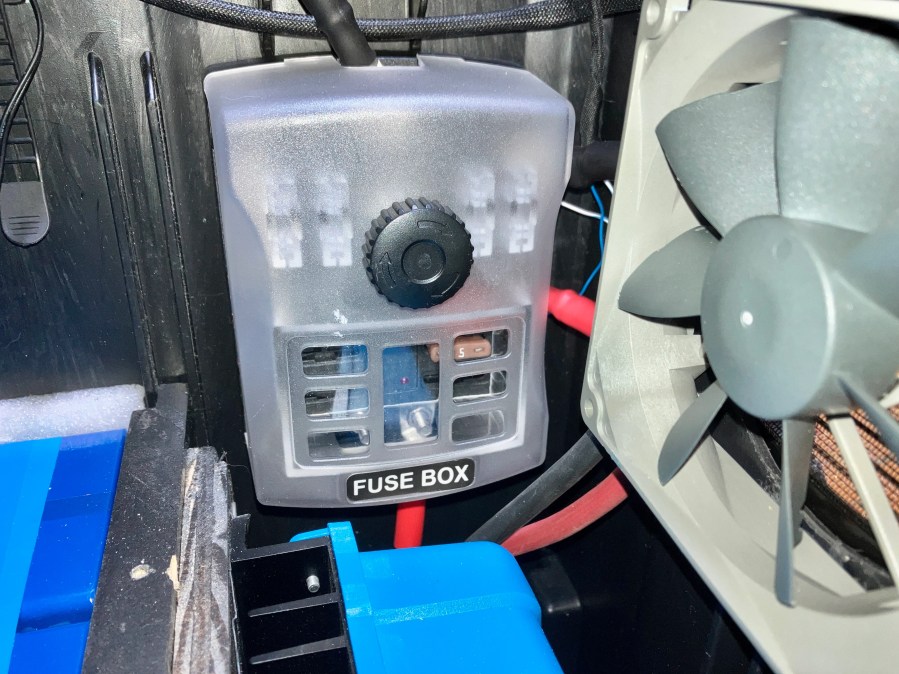
Distributes DC power to individual circuits, each with its own fuse.
See it in a videoTinned copper ring lugs for 2 AWG cable. The tin plating resists corrosion over time.
See it in a videoHeavy ring lugs for 2/0 battery cable, with adhesive heat shrink to seal each connection.
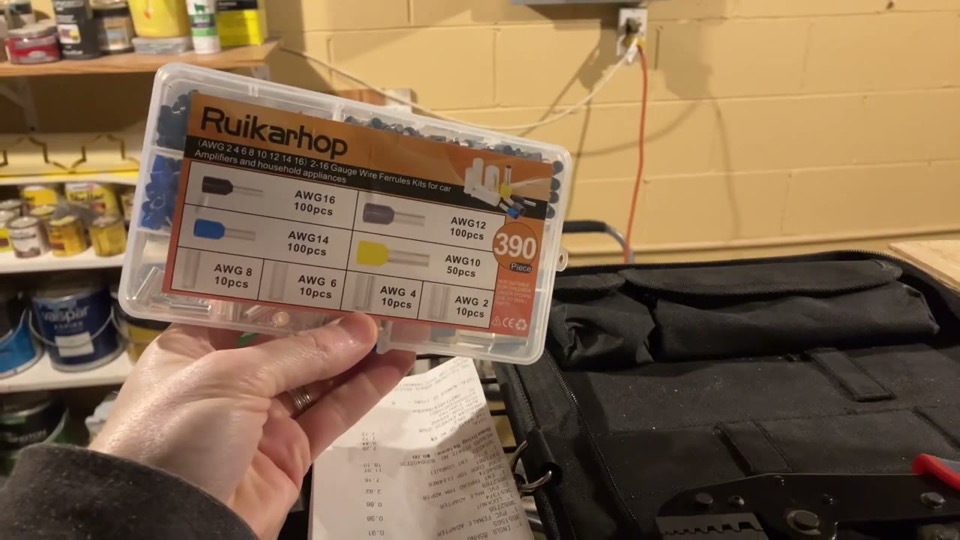
Crimp-on ferrules for stranded wire going into screw or clamp terminals. They keep strands from splaying and help the terminal hold tight.
See it in a videoWaterproof MC4-style connectors for building and extending solar panel cables, with spanners for tightening and unlocking them.
See it in a videoBolt-on lugs for bonding panel frames and racking to the equipment ground.
See it in a videoInsulated, three-port splice block. A tidy way to join or tap large conductors without a bus bar.
See it in a video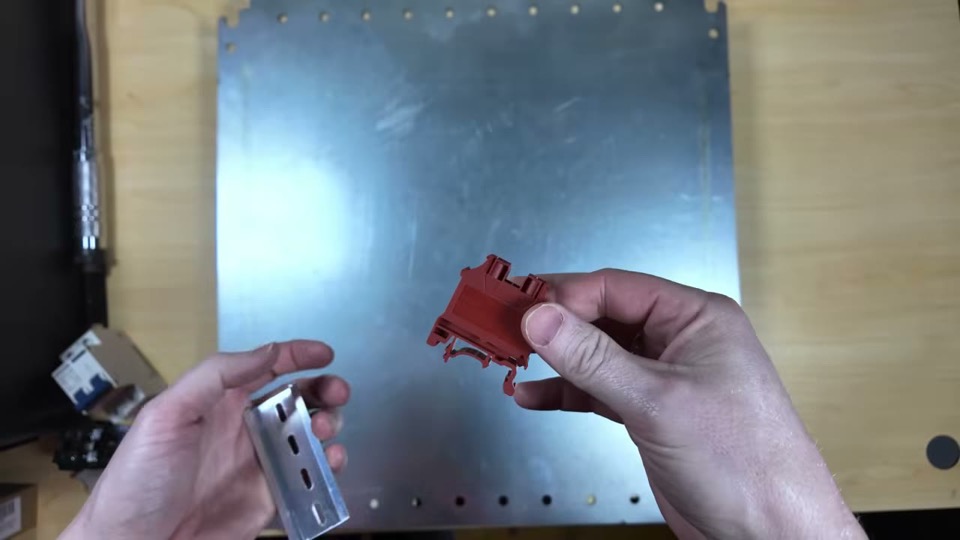
Screw-down terminal blocks that snap onto DIN rail, for neat landing points inside an enclosure.
See it in a video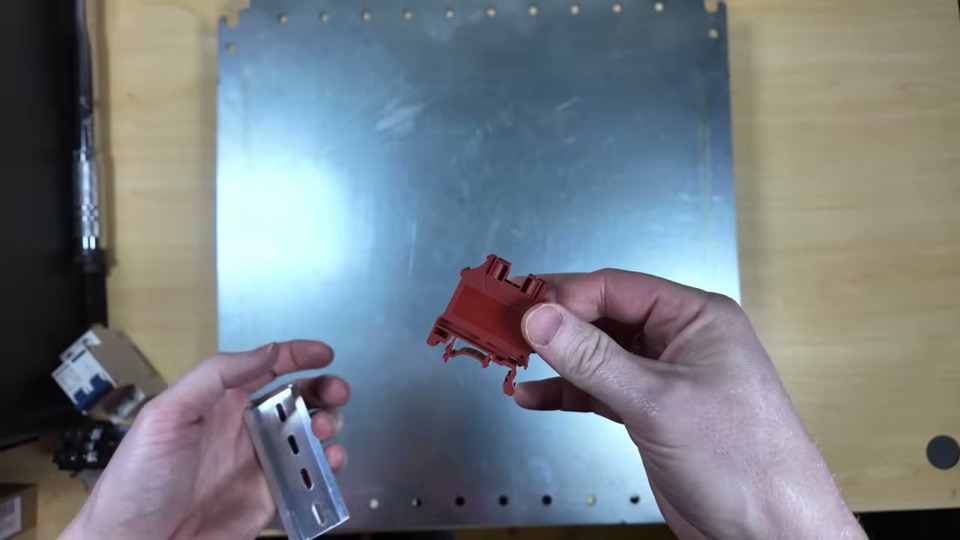
Mounting rail for breakers, terminal blocks and surge protectors.
See it in a video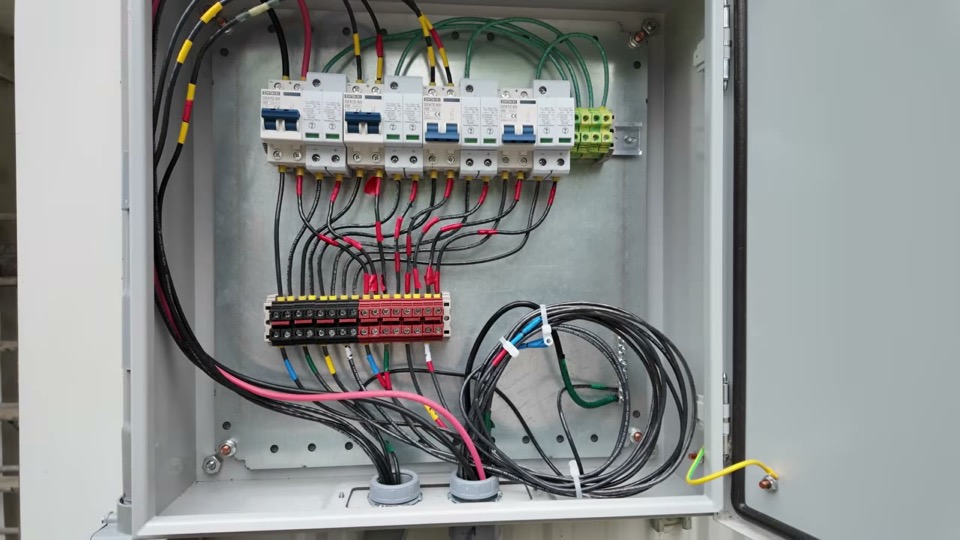
Ferrules sized for 10 AWG PV wire landing in breakers and terminal blocks.
See it in a videoFine-strand, flexible pure copper cable for high-current battery and inverter runs. The kit includes lugs and heat shrink.
See it in a videoBuilding wire for the AC side: hots, neutral and ground pulled through conduit between the inverter, transfer switch and panel.
See it in a videoMade-in-USA, fine-strand 2 AWG cable for battery and DC connections that need to bend easily.
See it in a videoUV-resistant, made-in-USA solar cable for running panel strings to the charge controller.
See it in a videoFine-strand 4/0 cable with lugs for high-current battery-to-bus runs.
See it in a videoRed and black solar cable for running panel strings down from the roof.
See it in a video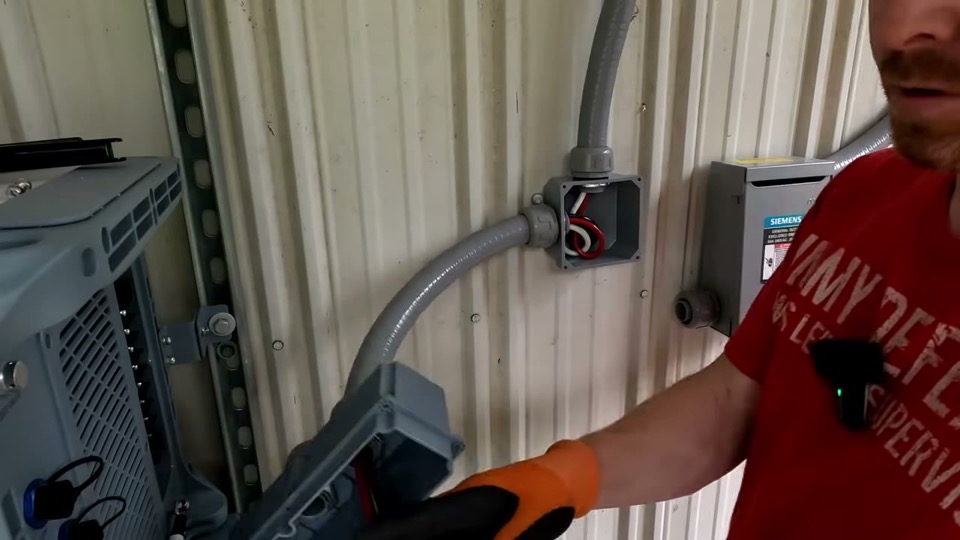
Flexible, weatherproof conduit for protecting wire runs outdoors and between equipment.
See it in a video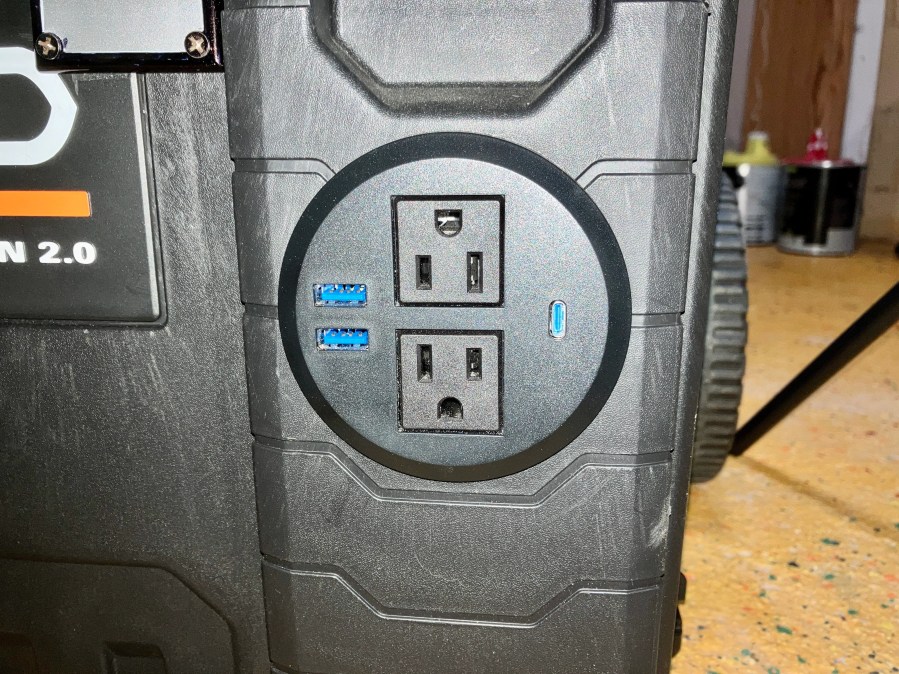
Panel-mount outlets and USB ports, set into the lid for easy access.
See it in a video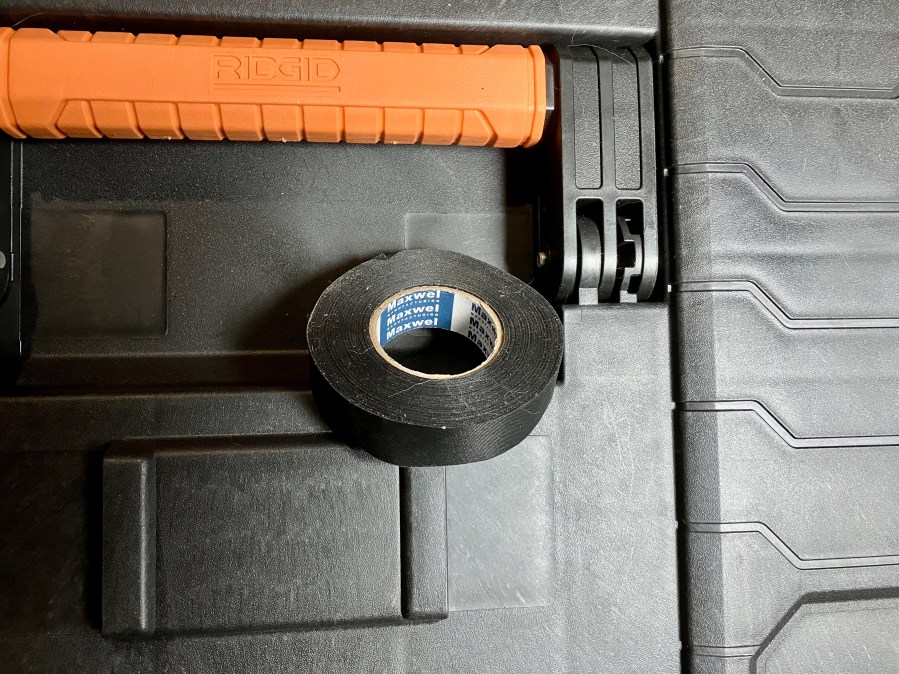
Fabric tape for bundling and protecting the internal wiring, the way car manufacturers do it.
See it in a video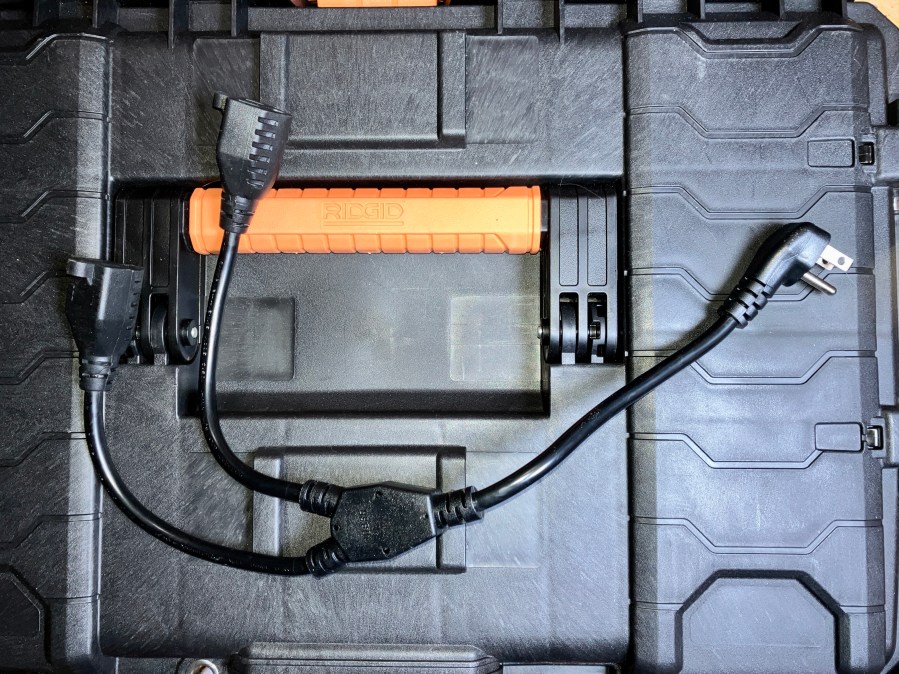
Low-profile splitter that gets two AC outlets from one inside a tight enclosure.
See it in a video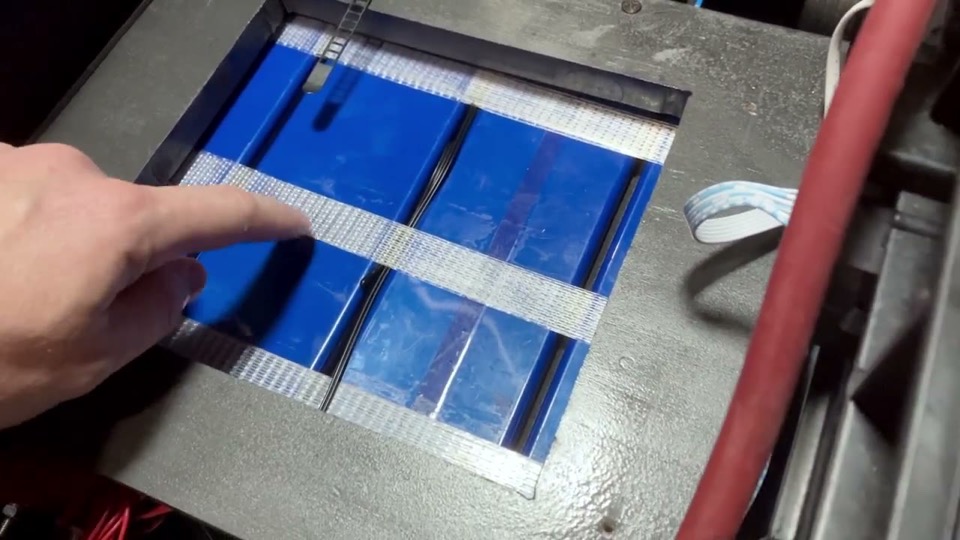
Strong reinforced tape for strapping the cell pack together.
See it in a video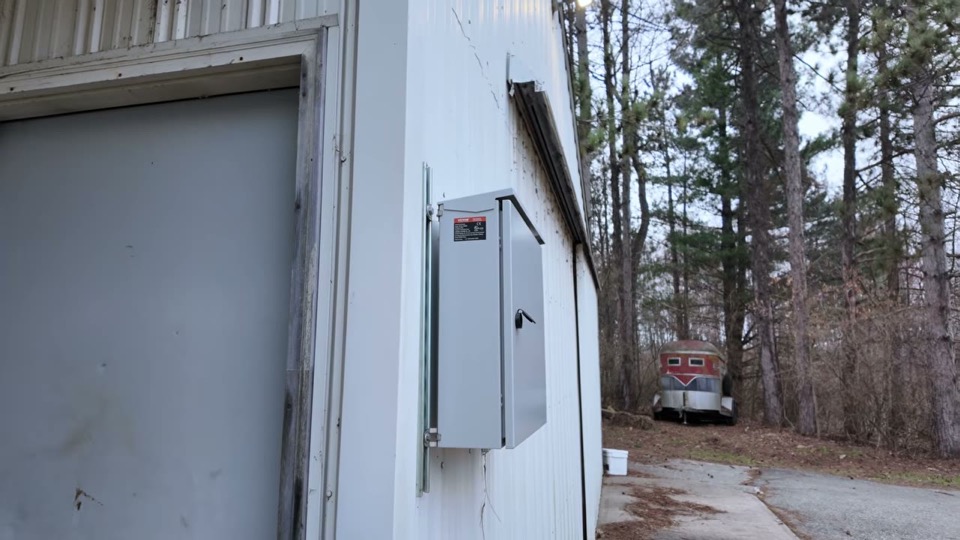
Combines four PV strings into two outputs, with fusing for each string — a tidy way to bring several strings down to the charge controllers.
Watch my review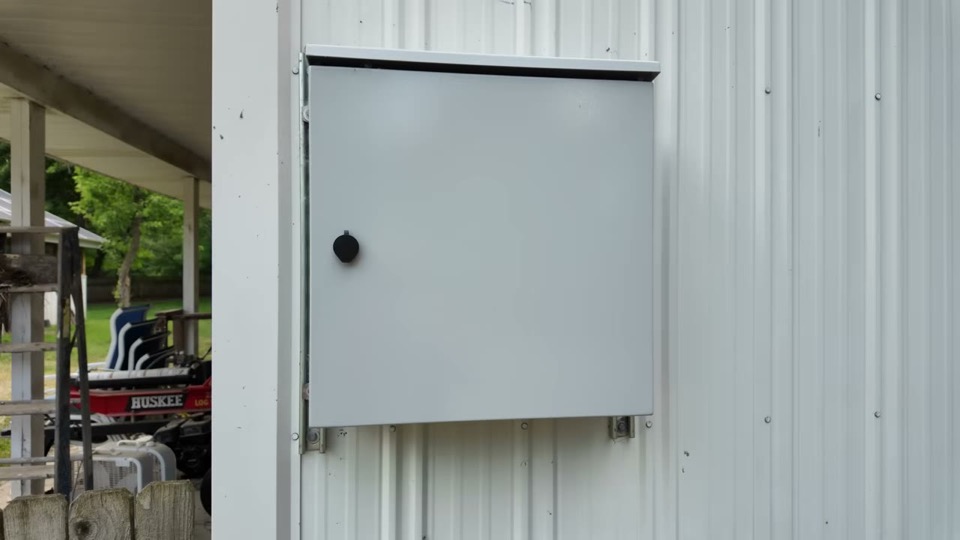
Weatherproof steel enclosure I used to build my DIY PV junction box. Available as a UL-tested version from VEVOR or a non-UL version on Amazon.
See it in a video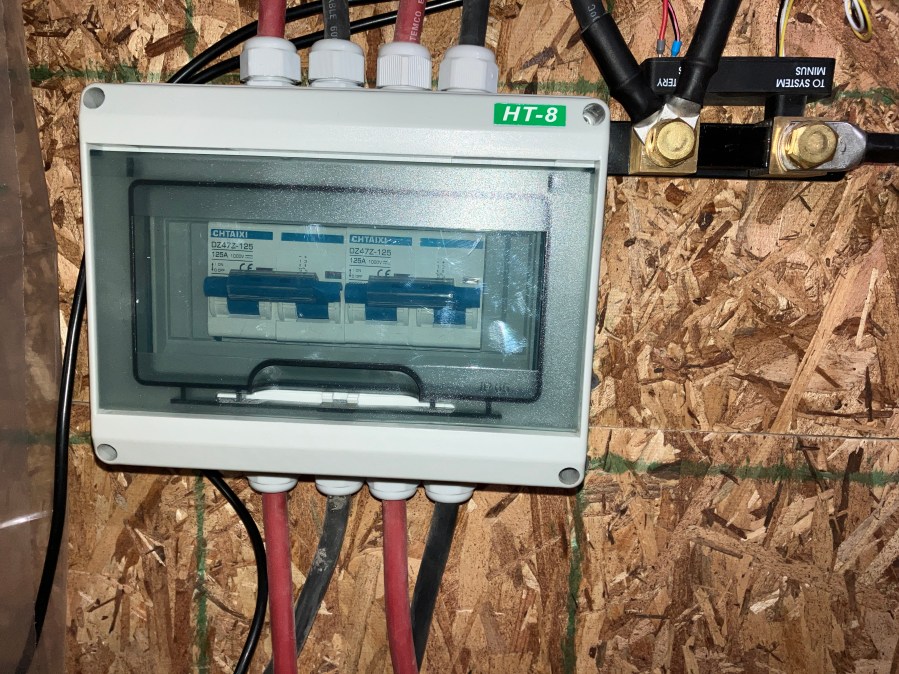
Enclosure for DIN-rail breakers, with a clear cover so you can see breaker positions without opening it.
See it in a video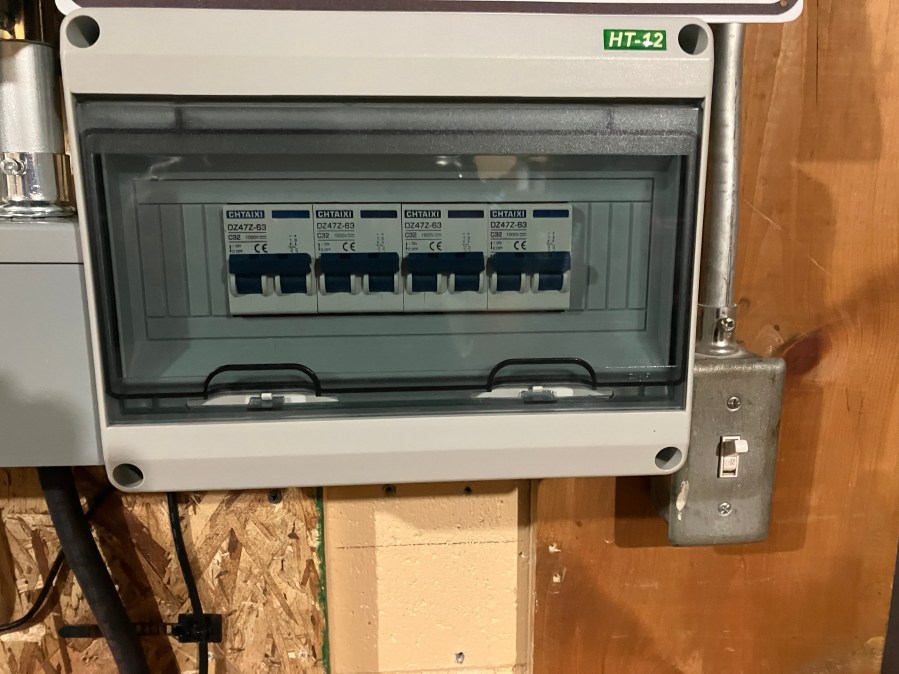
Weather-resistant 12-position DIN-rail enclosure for housing PV and DC breakers.
See it in a video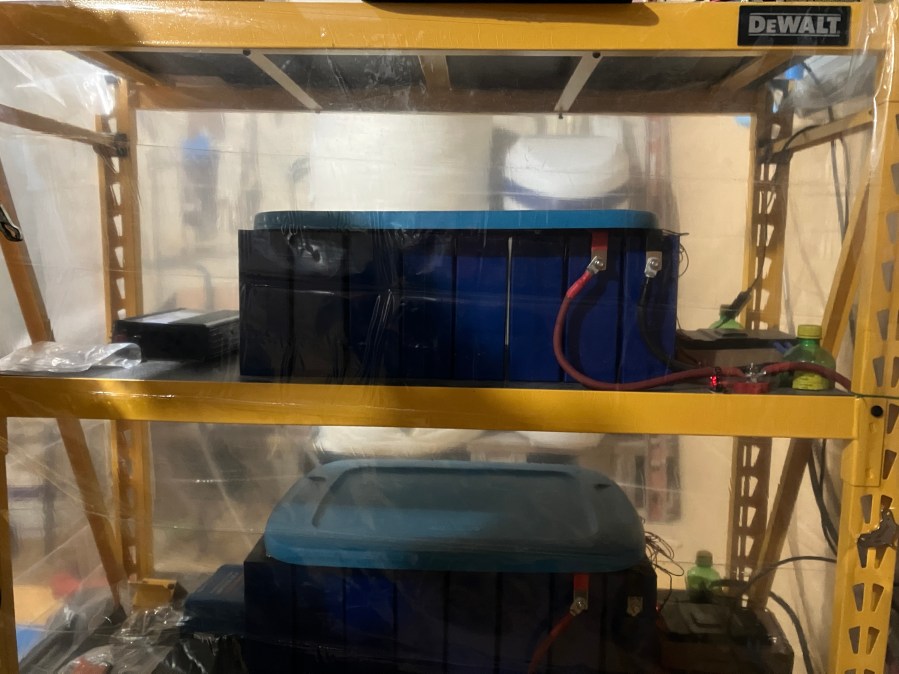
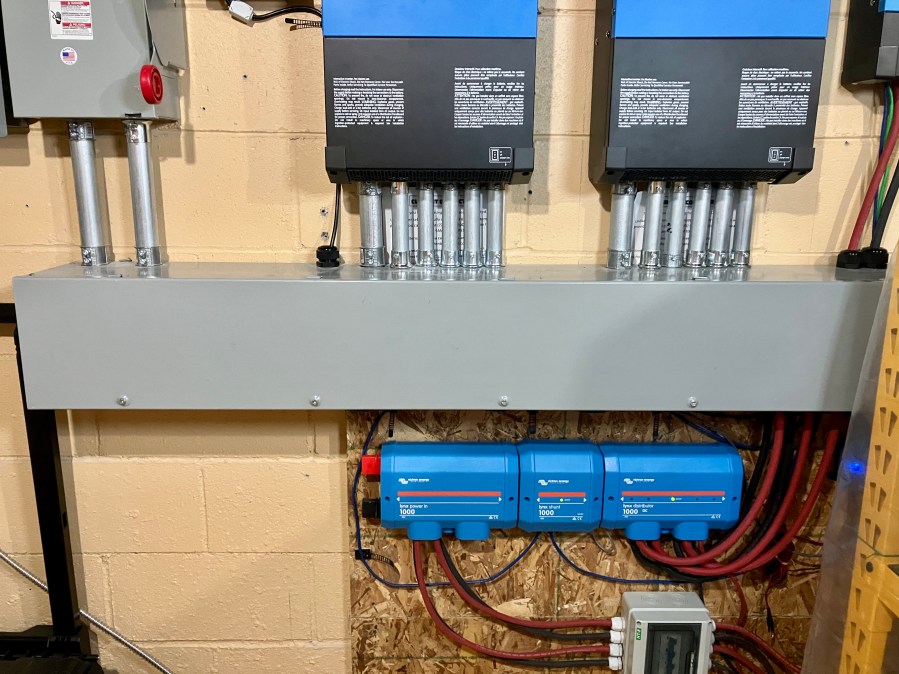
Metal wiring gutter that runs along the wall and connects the equipment, giving conductors a protected path between devices.
See it in a video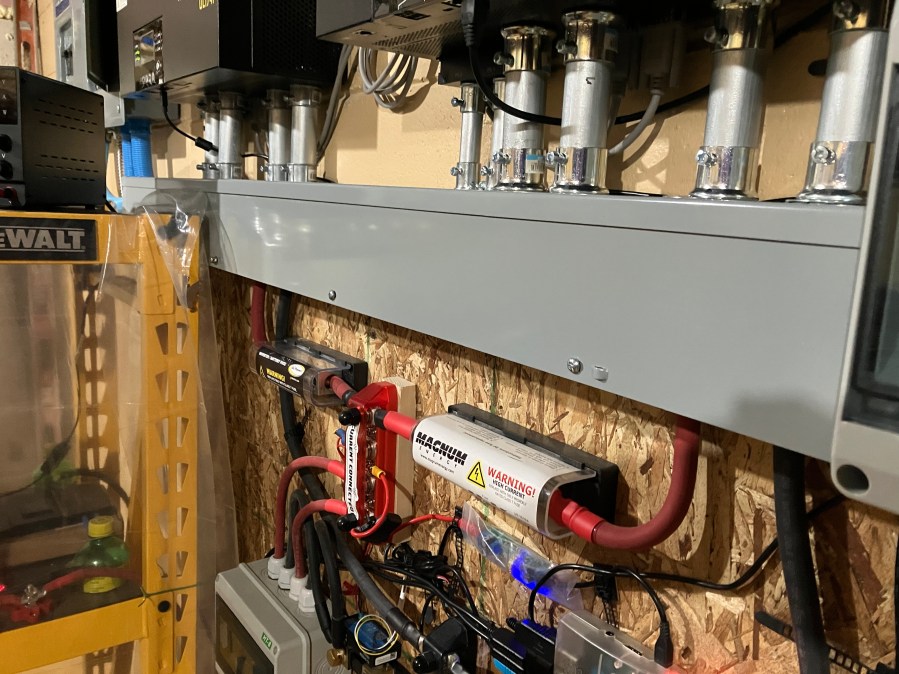
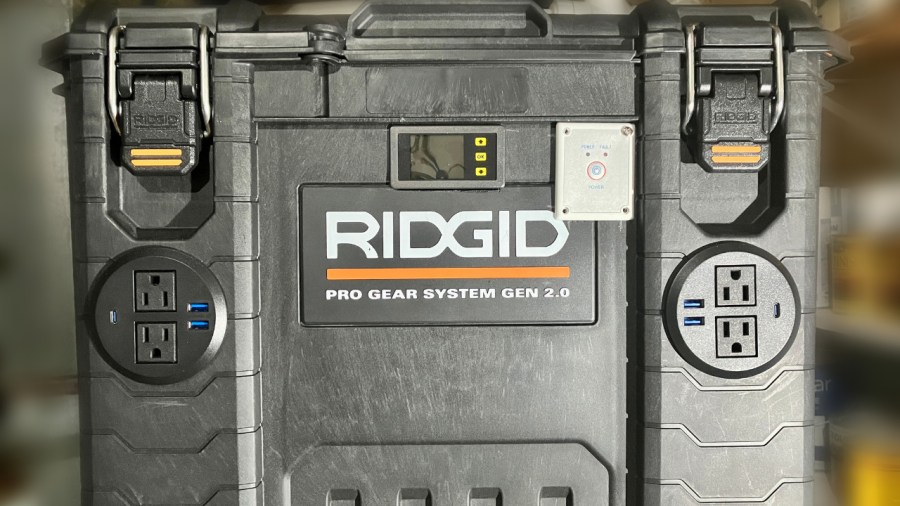
Rugged rolling case that serves as the enclosure for the whole portable power station.
See it in a video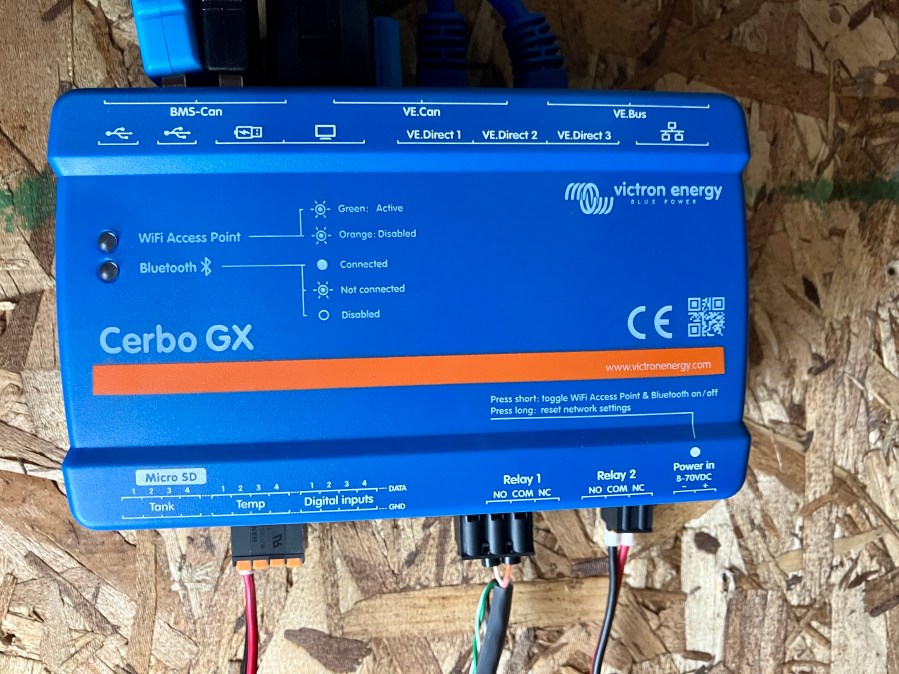
The brain of a Victron system. Connects inverters, chargers, shunts and batteries so they share data, and sends everything to Victron's free VRM portal for remote monitoring.
See it in a video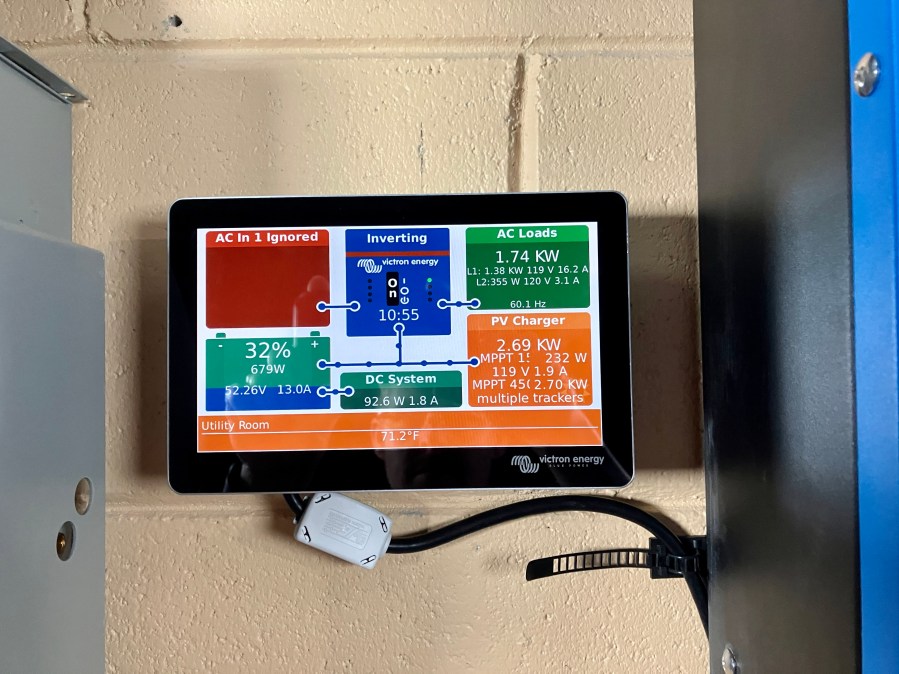
7″ touchscreen for the Cerbo GX: live power flow, battery state and settings at a glance on the wall.
See it in a video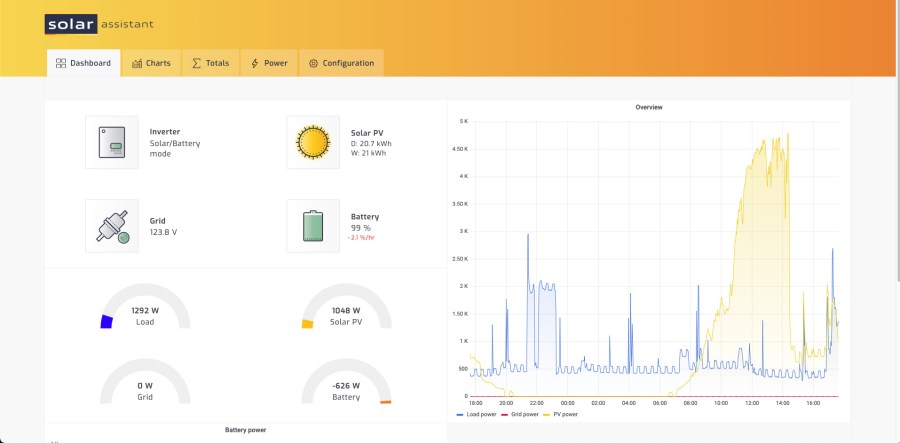
A small computer that reads data from many popular inverters and batteries (EG4, MPP and others) and shows dashboards locally and remotely.
See it in a video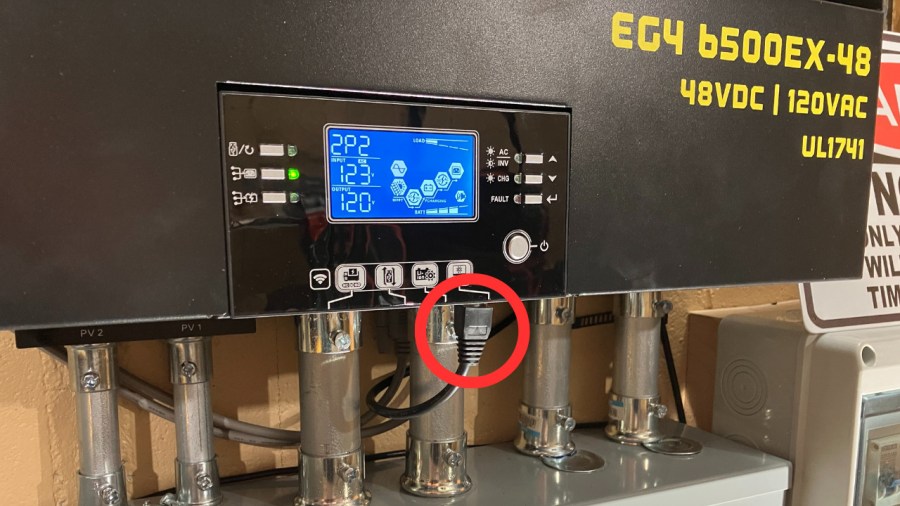
The communication cable that connects Solar Assistant to an MPP Solar or EG4 inverter.
See it in a video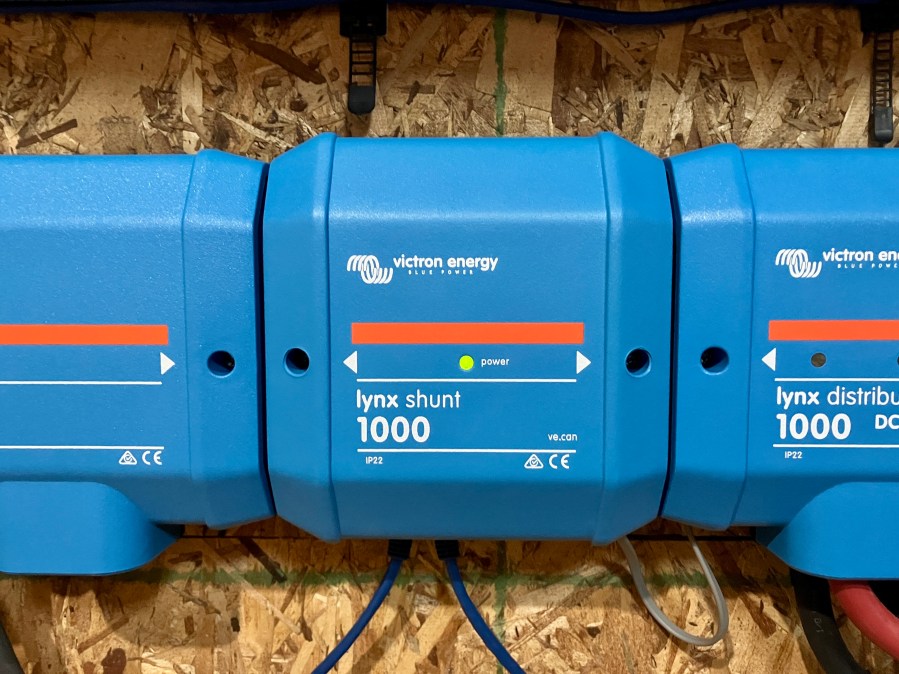
1000A battery monitor in Lynx form with a slot for the main system fuse. Reports state of charge and current to the Cerbo GX.
See it in a video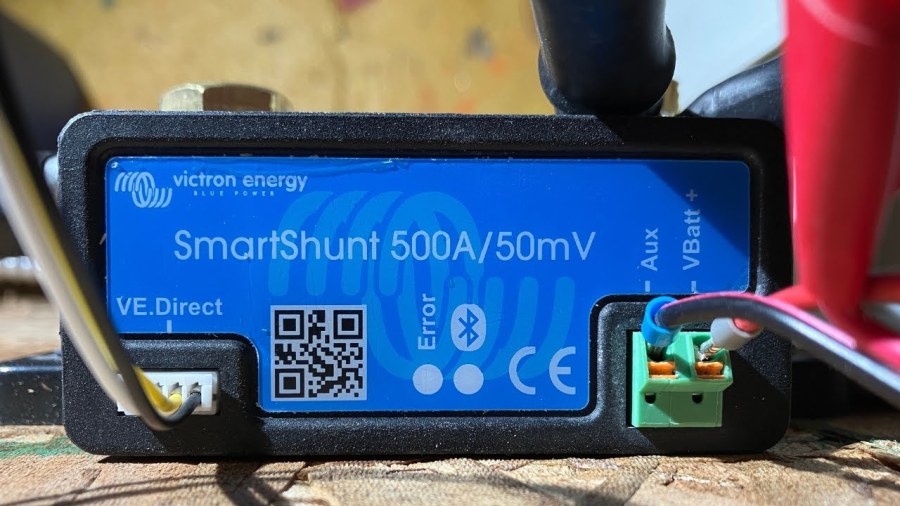
Battery monitor that measures every amp in and out to show accurate state of charge, on your phone over Bluetooth or on a GX device.
See it in a video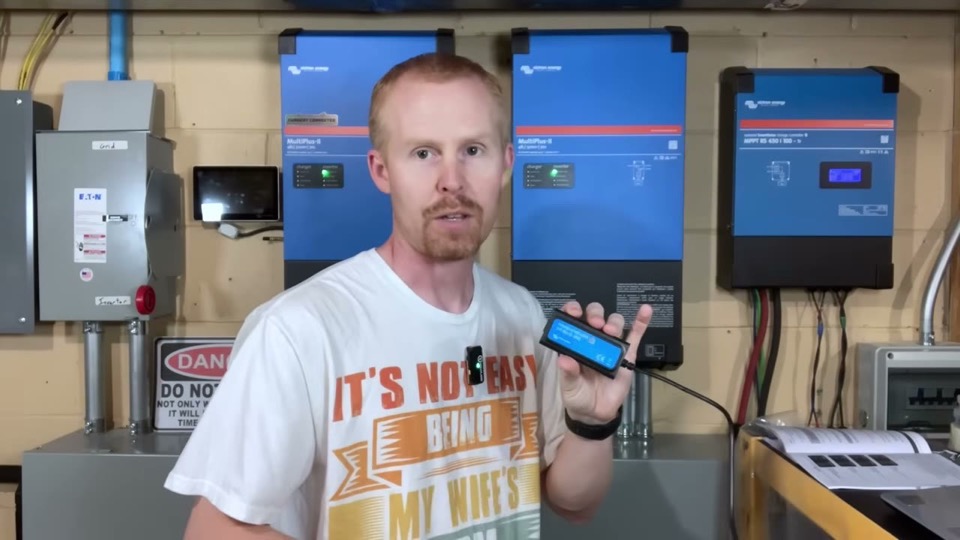
Connects a MultiPlus or Quattro to a computer for configuration with VictronConnect or VEConfigure, and for firmware updates.
See it in a video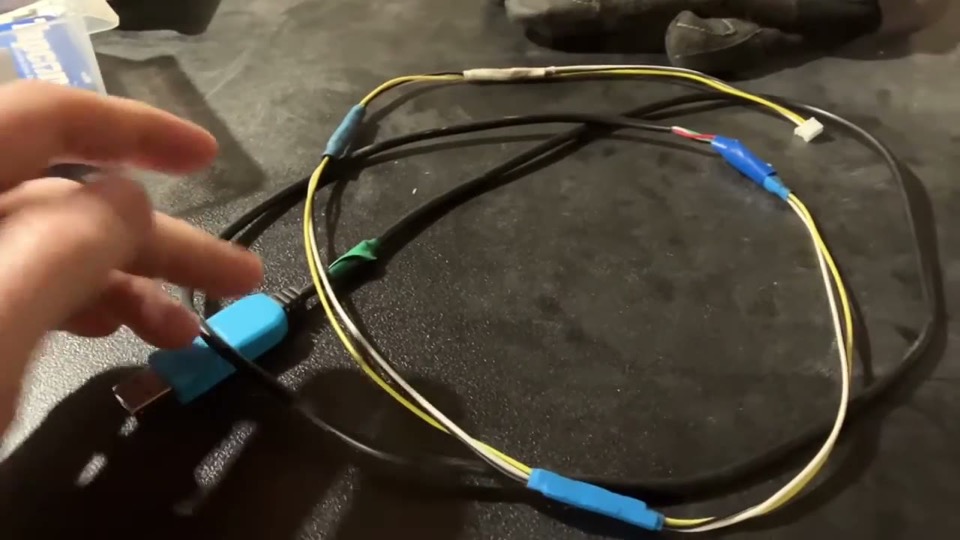
Links a Victron charge controller or SmartShunt to a USB port, on a computer or a GX device.
See it in a video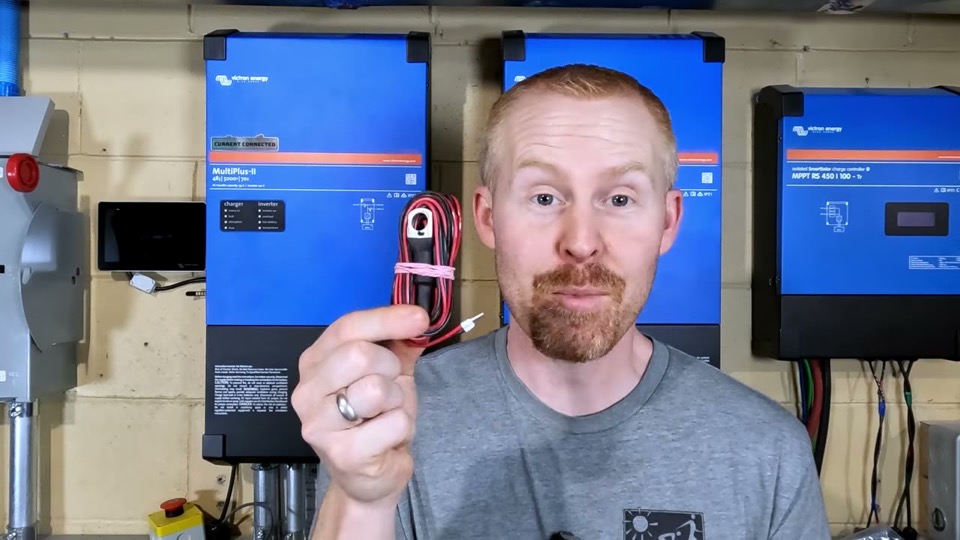
Plugs into a MultiPlus, Quattro or Cerbo GX to measure a temperature, whether that's battery temperature compensation or, in my case, monitoring my wood boiler.
See it in a video
Ultrasonic sensor that sticks to the bottom of a propane tank and reports the level over Bluetooth — it shows up right in the Victron VRM.
See it in a video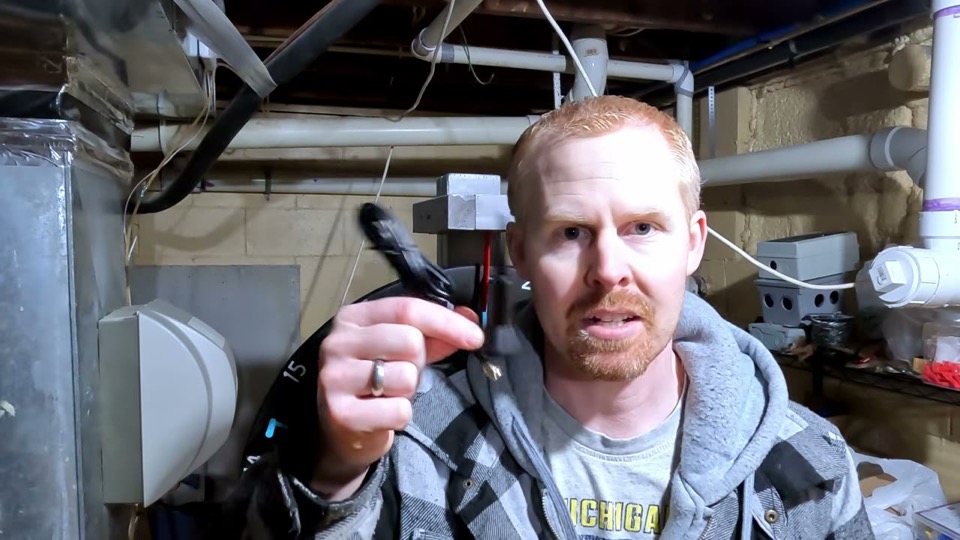
Extends the Mopeka's Bluetooth range when the tank is far from the receiver.
See it in a videoAdds a stronger Bluetooth radio to the Cerbo GX so it can pick up sensors like the Mopeka.
See it in a videoLets Solar Assistant (or a computer) talk to inverters and batteries over RS485.
See it in a video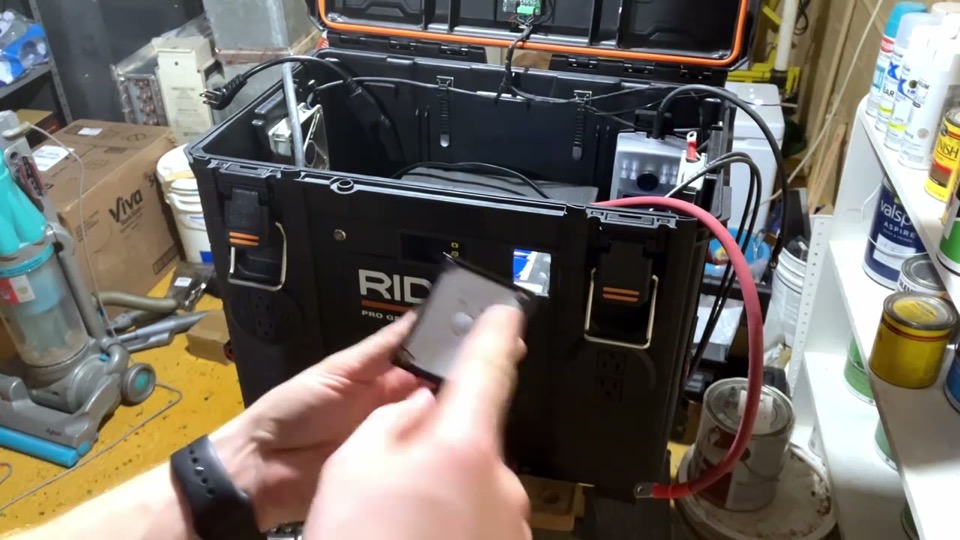
Shows voltage, current, power and remaining capacity using a Hall-effect sensor around the cable.
See it in a video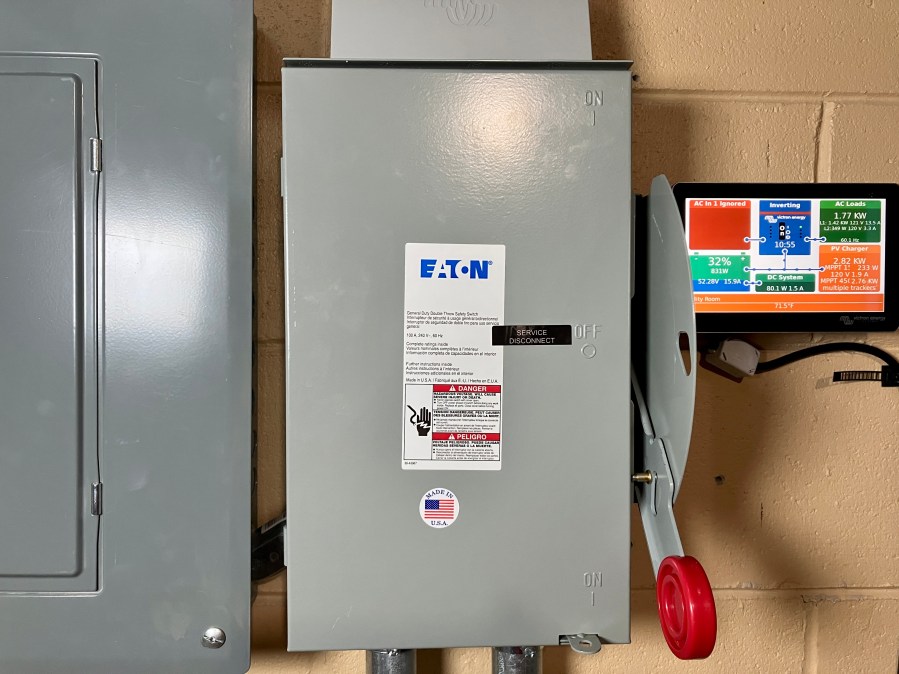
Manual transfer switch that selects between grid and inverter power, so the two can never be connected at the same time.
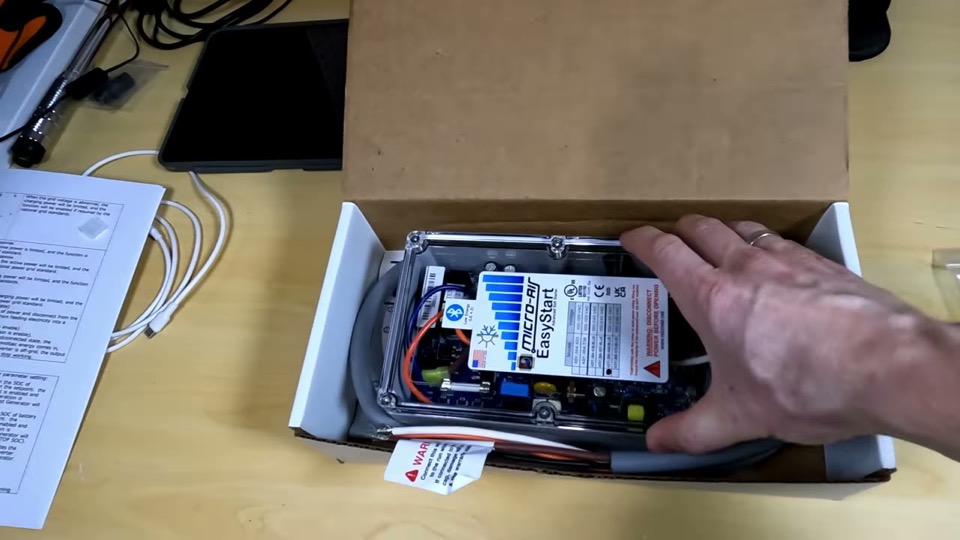
Soft starter for central A/C and heat pumps. It cuts the compressor's startup surge so an inverter can start it without tripping.
See it in a video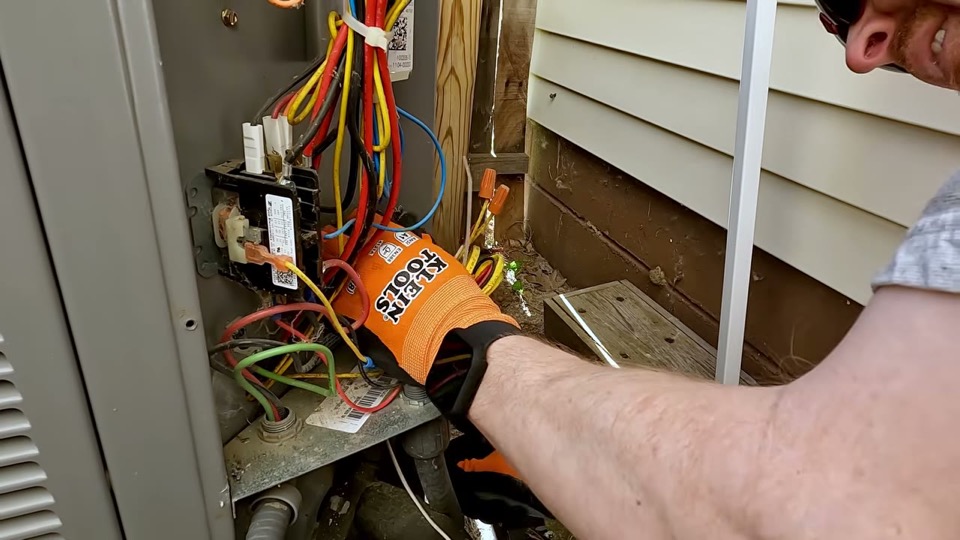
Wiring and hardware for installing an EasyStart.
See it in a videoMechanical interlock for Siemens panels that makes it impossible to have the main breaker and generator breaker on at the same time — the safe way to backfeed a panel from a generator.
See it in a videoOutdoor power inlet and matching cord for plugging a generator into the house.
See it in a videoThe breaker the generator inlet feeds through, paired with the interlock.
See it in a videoHeavy-duty generator cord and matching pre-drilled inlet box for feeding a panel or backup system from a generator.
See it in a videoAdapter that lets a 50A outlet or generator feed equipment with an L14-30 inlet.
See it in a video
The core of Anker's whole-home backup system: the power module (inverter) plus B6000 battery modules, which stack to add capacity. Mine runs a set of dedicated circuits.
Watch my review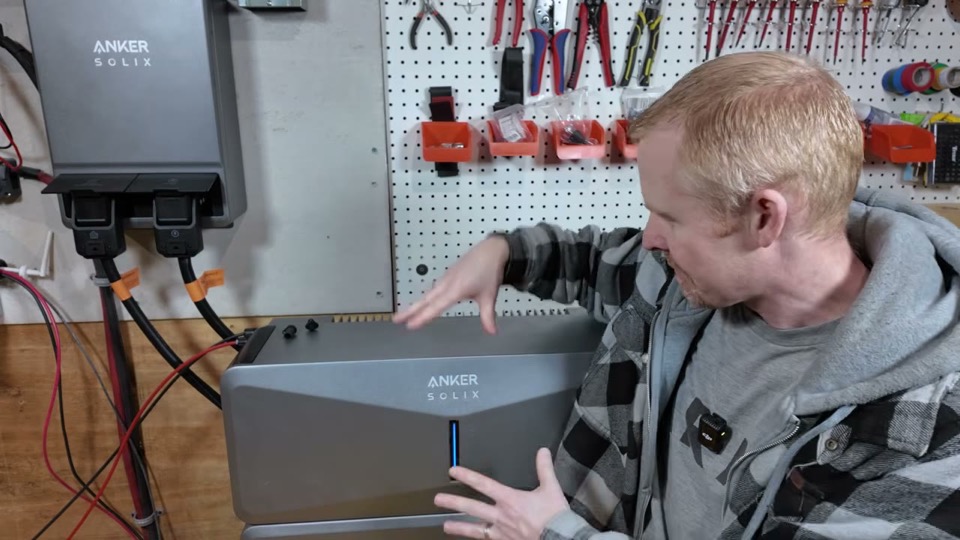
Connects the E10 to the house panel through a dedicated inlet, so it can back up circuits during an outage — the simpler alternative to a Power Dock.
Watch my reviewAnker's option for integrating the E10 at the main panel for whole-home backup. I use the Smart Inlet Box instead.
See it in a videoWheeled base for the E10 stack, so the whole system can be rolled where it's needed.
See it in a video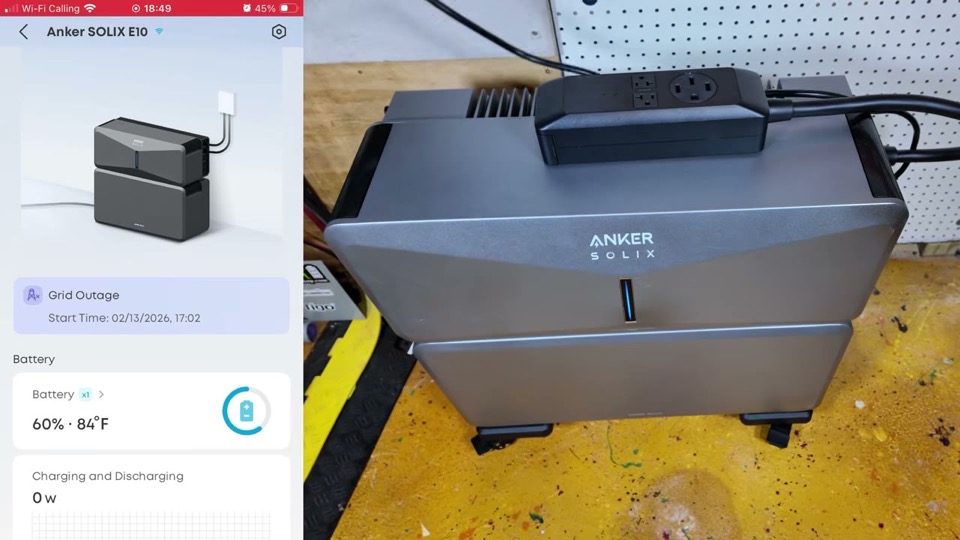
Plugs into the E10 for both 120V and 240V outlets when running it portable.
See it in a video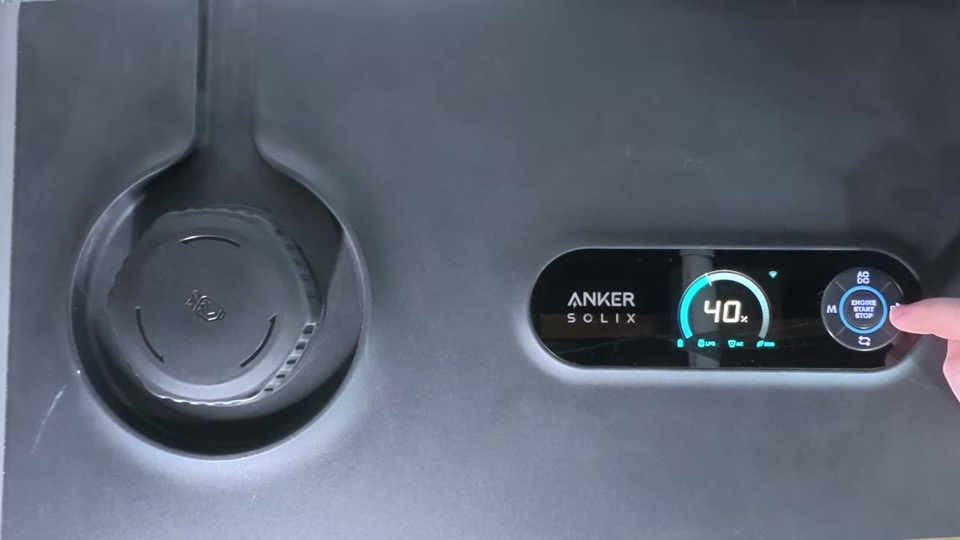
Inverter generator that can DC-charge the E10's batteries directly, for fast, fuel-efficient recharging when solar isn't enough.
Watch my review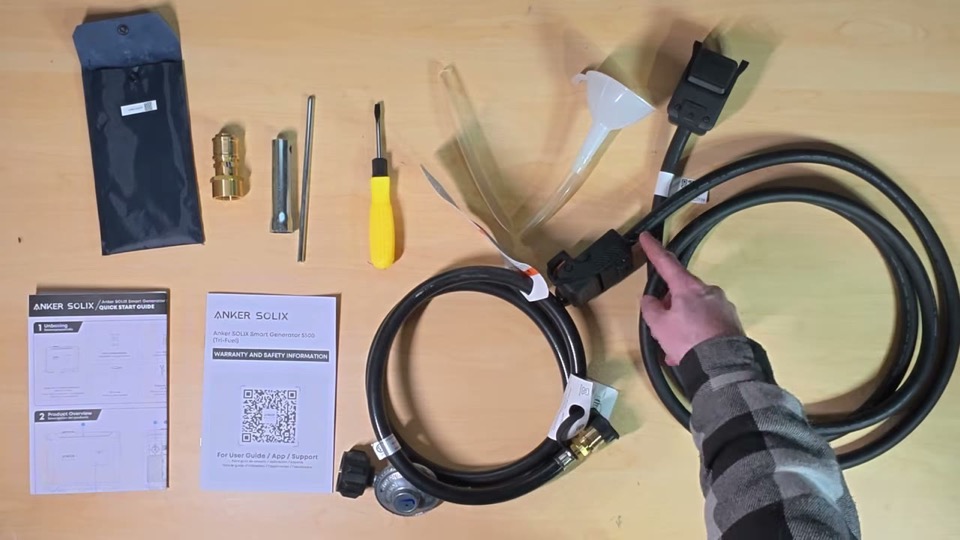
Connects the Smart Generator 5500 to the E10 for direct DC charging.
See it in a video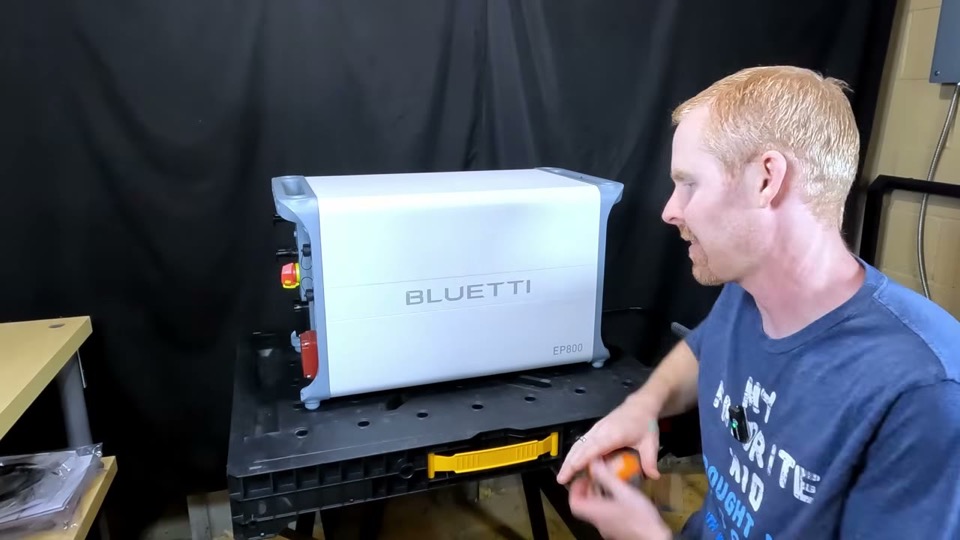
Home battery system: the EP800 inverter with stackable B500 battery modules.
Watch my reviewPortable power station. I put Anker's 35-hour runtime claim to the test.
Watch my review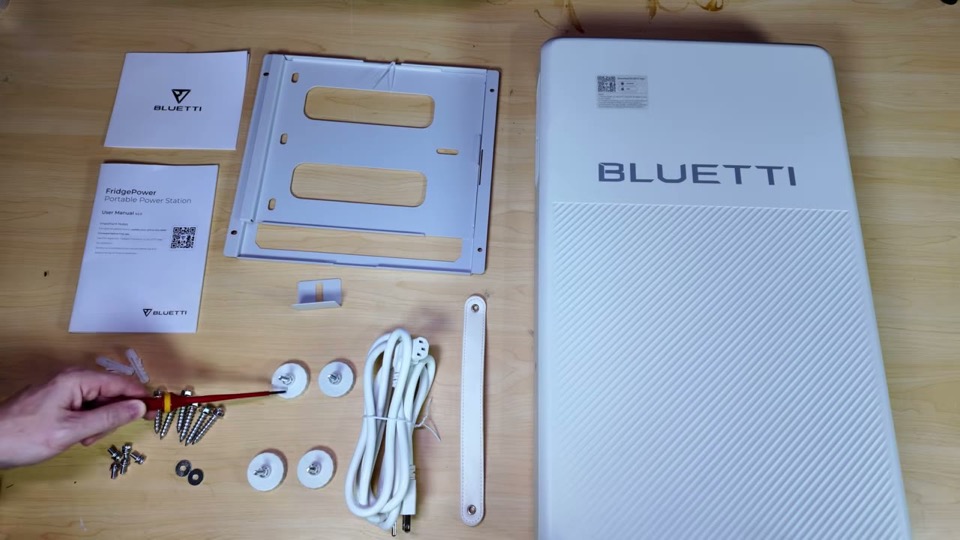
Battery backup built specifically to keep a refrigerator running through an outage.
Watch my review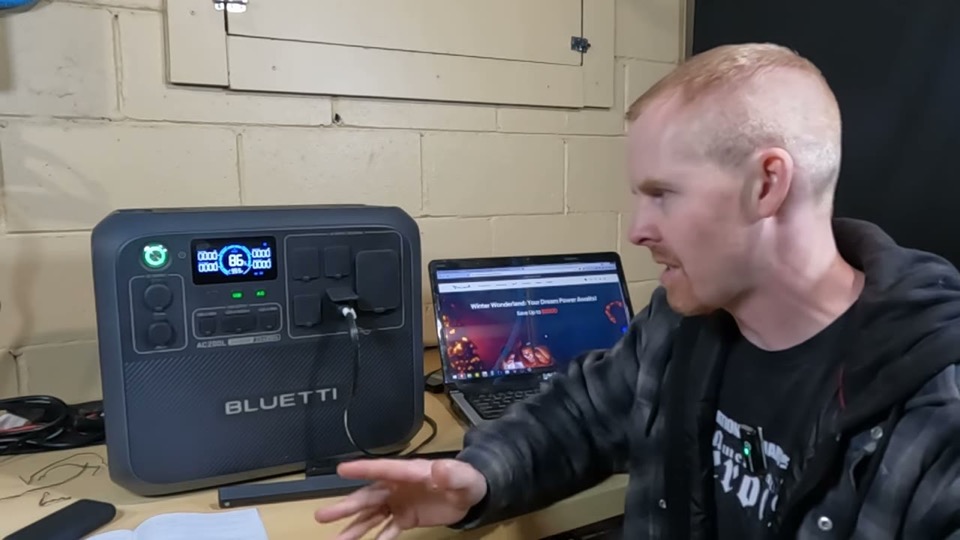
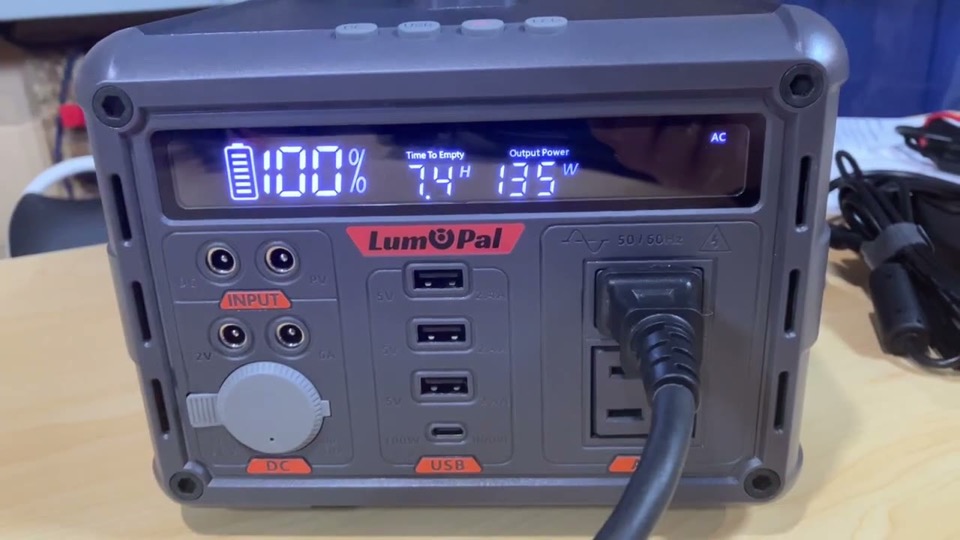
2,400W portable power station with a 3,600W power-lifting mode and UPS function.
Watch my review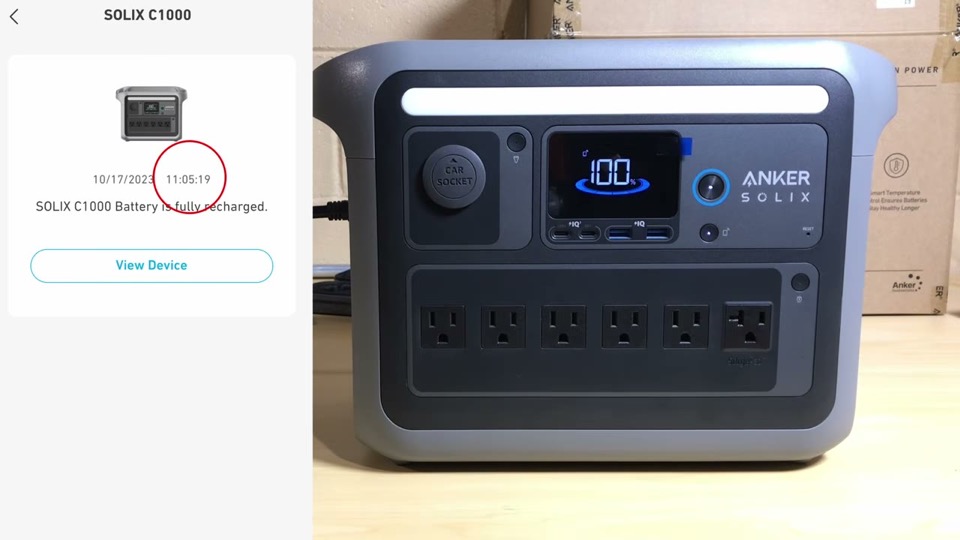
Compact portable power station with ultra-fast recharging and 2,400W surge.
Watch my review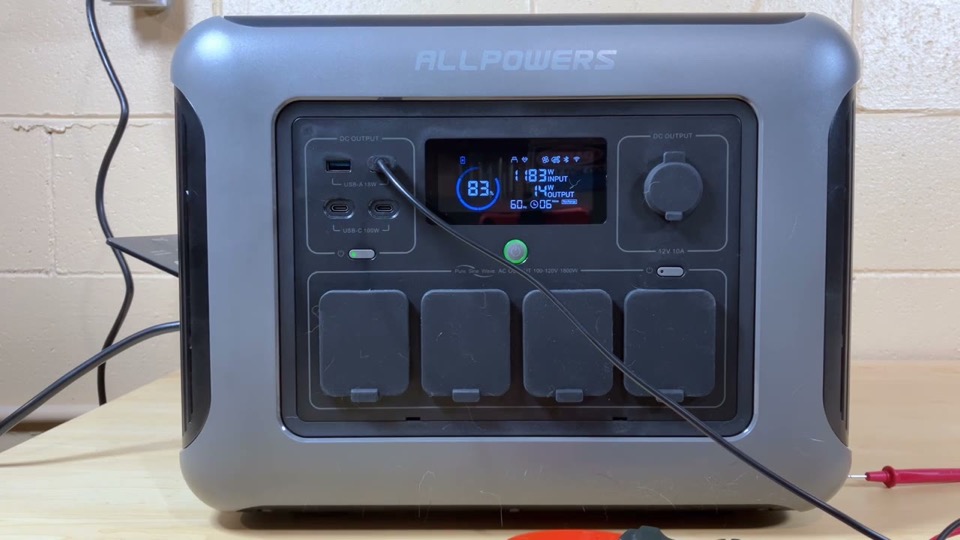
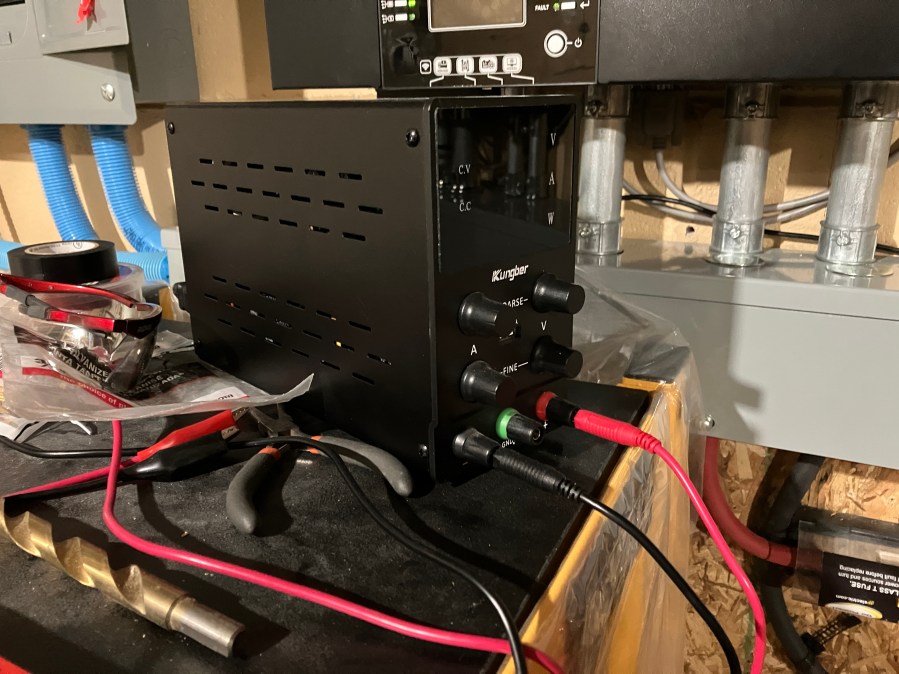
Adjustable bench supply for testing gear and for top-balancing new LiFePO4 cells before building a pack.
See it in a video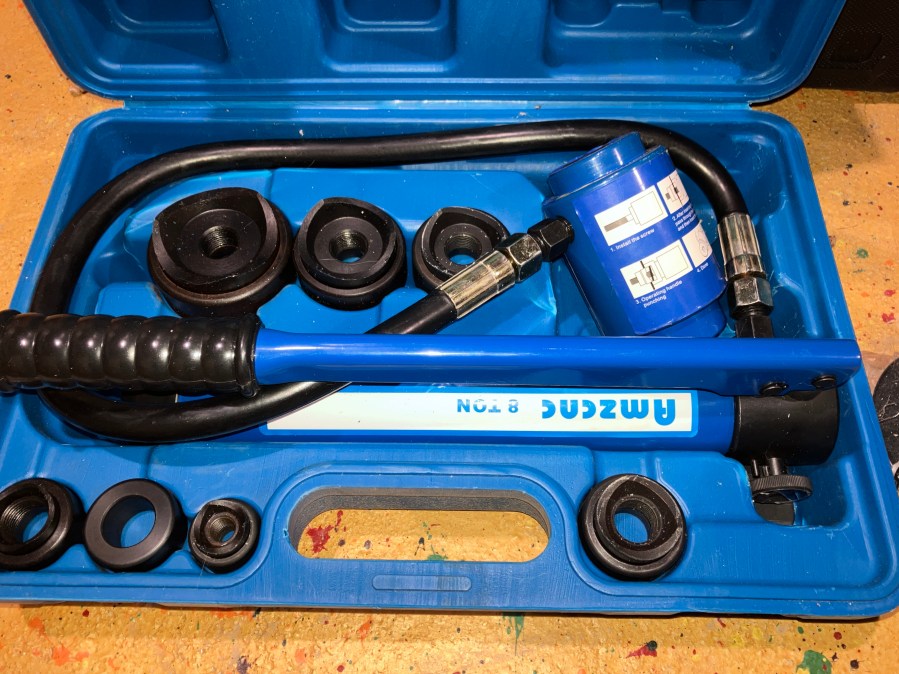
Punches clean, round holes in steel enclosures for conduit fittings — far easier than a step bit on thick boxes.
See it in a video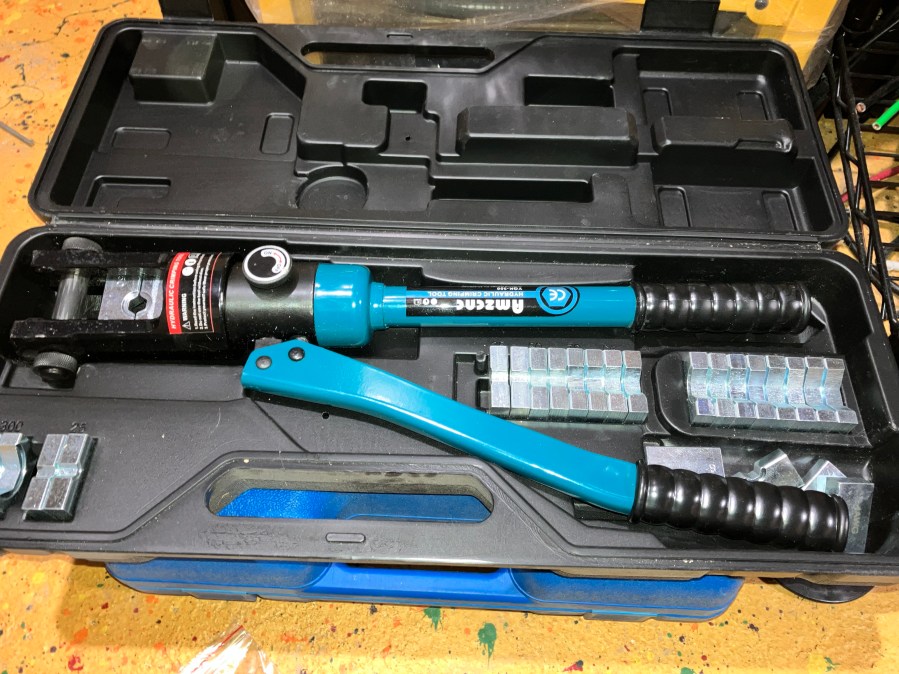
Makes solid, consistent crimps on large lugs for 2/0 and bigger battery cable.
See it in a video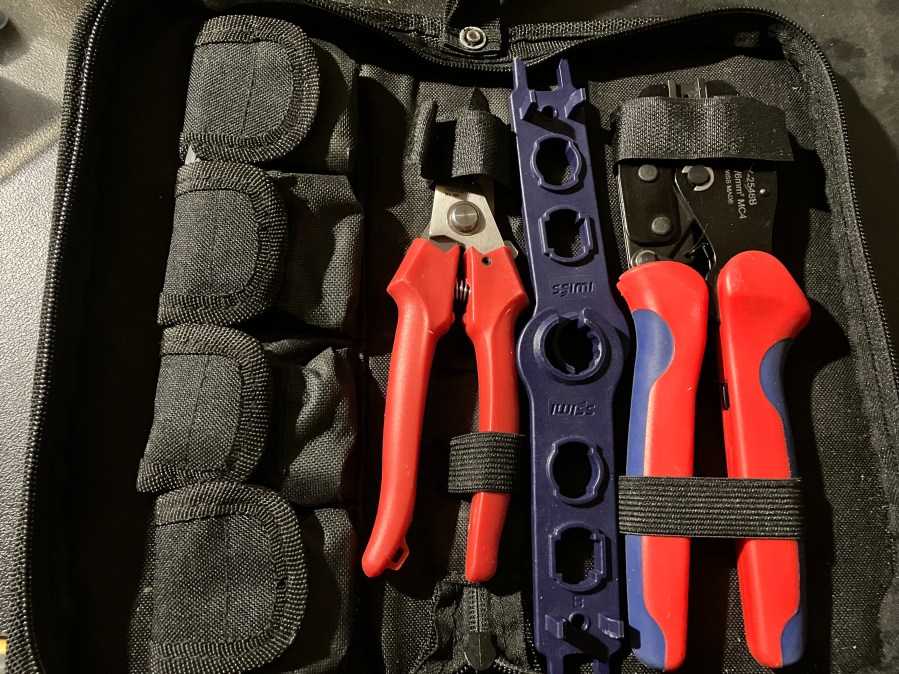
Crimper, wire stripper and spanners for building your own MC4 solar cables.
See it in a video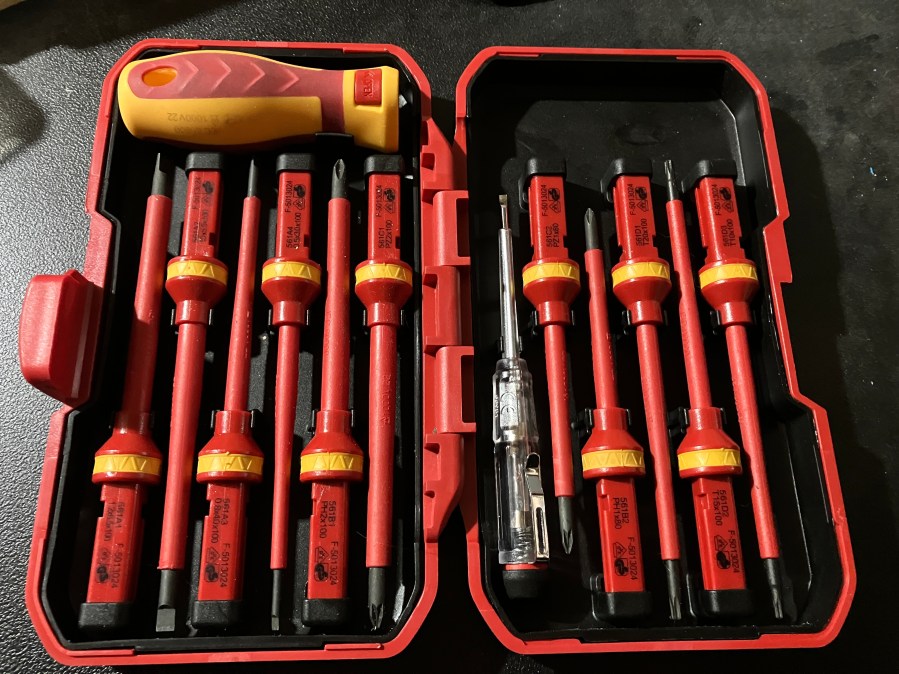
Insulated screwdrivers rated to 1000V for working around live terminals and breakers.
See it in a video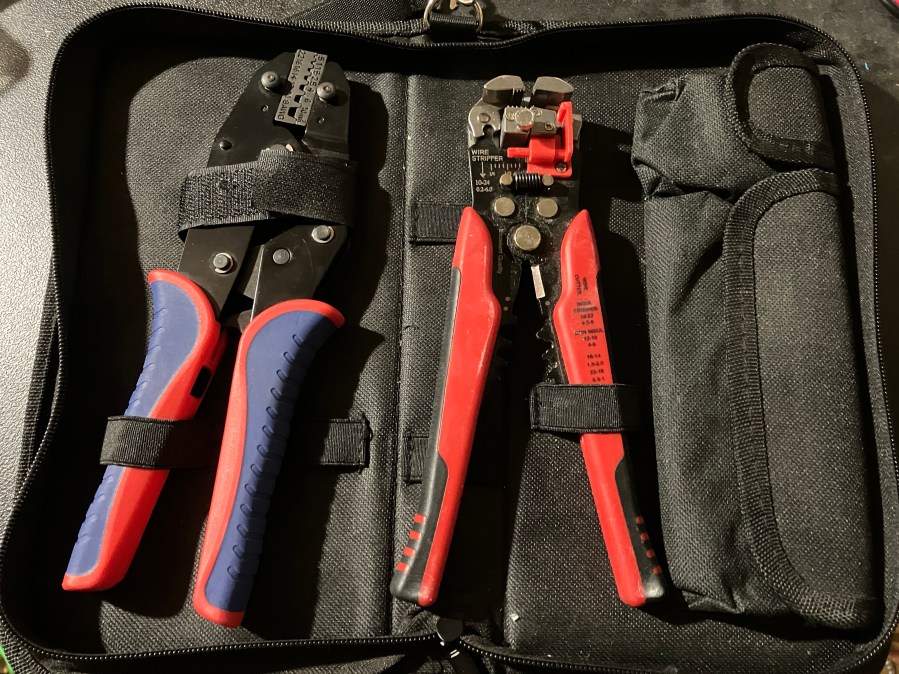
Ratcheting crimper for ferrules and small terminals. It won't release until the crimp is complete.
See it in a video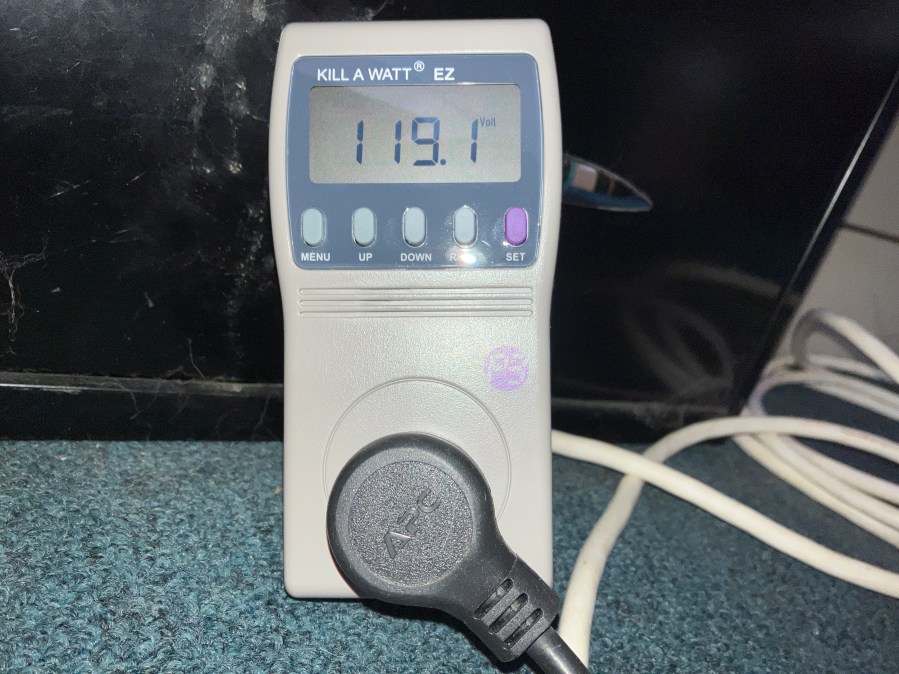
Plug-in meter that shows exactly how much power an appliance uses — handy for sizing a system.
See it in a video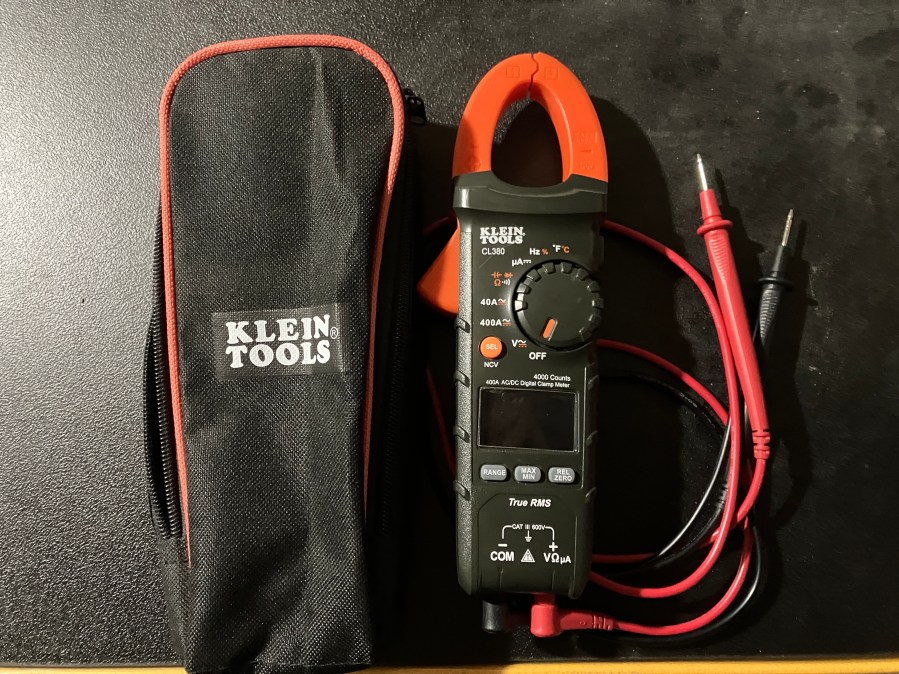
Auto-ranging, true-RMS clamp meter up to 400A with a built-in non-contact voltage tester. Measures current without breaking the circuit.
See it in a video
Nitrile-dipped, cut-resistant gloves that still work with a phone screen. These are not rated as electrical insulating gloves.
See it in a video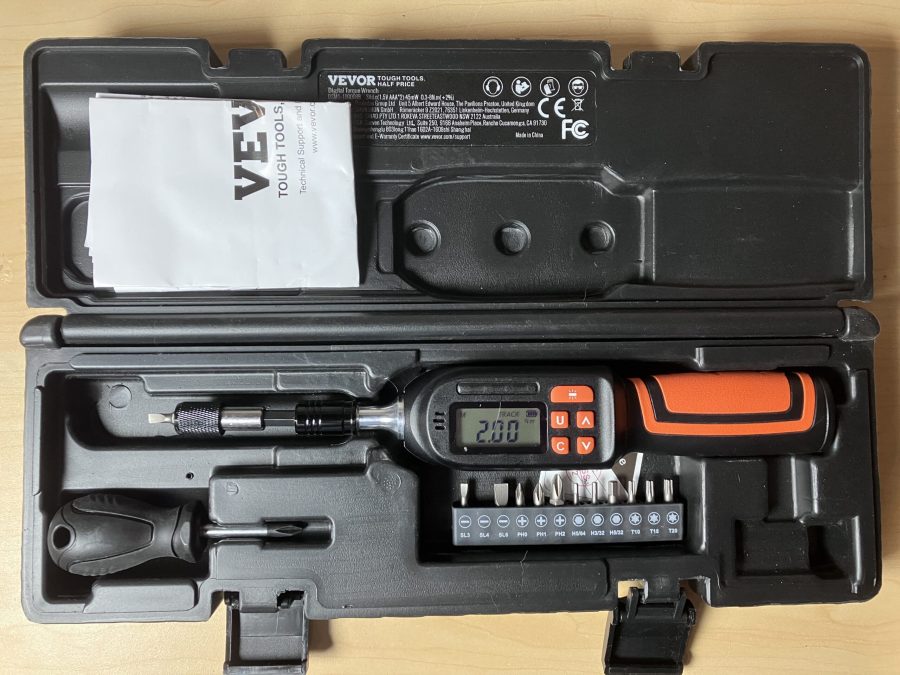
Tightens breaker and terminal screws to the manufacturer's torque spec — loose connections are a leading cause of heat and failures.
See it in a video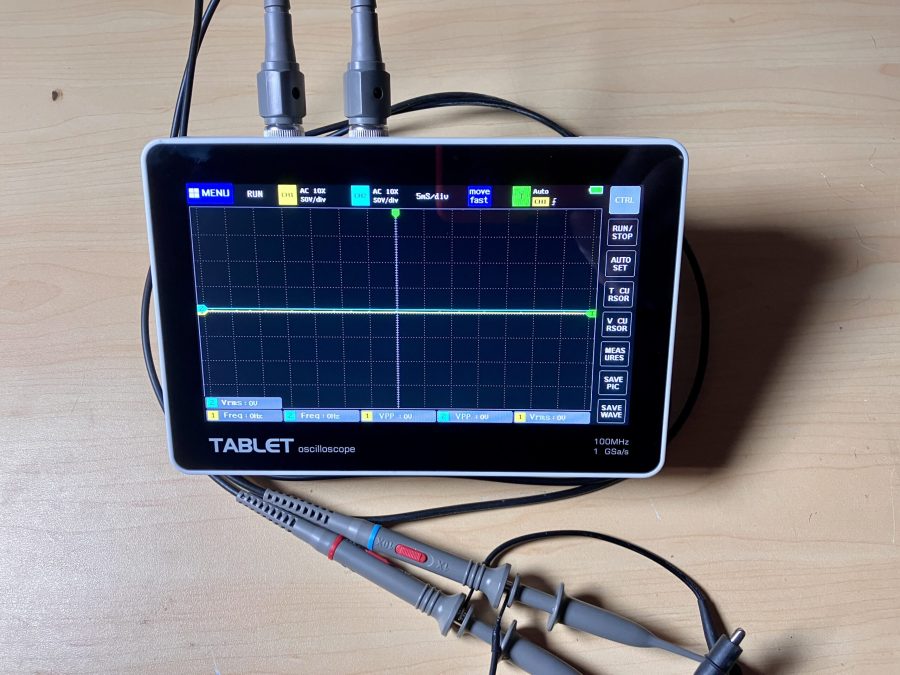
Portable 2-channel, 100MHz scope for looking at waveforms, such as checking an inverter's AC output or switching noise.
Tiny thermal camera that plugs into a phone. It's great for finding hot connections, loose lugs and overloaded breakers before they become a problem.
See it in a videoCharges and discharges a cell or battery at a set current to measure its real capacity.
See it in a video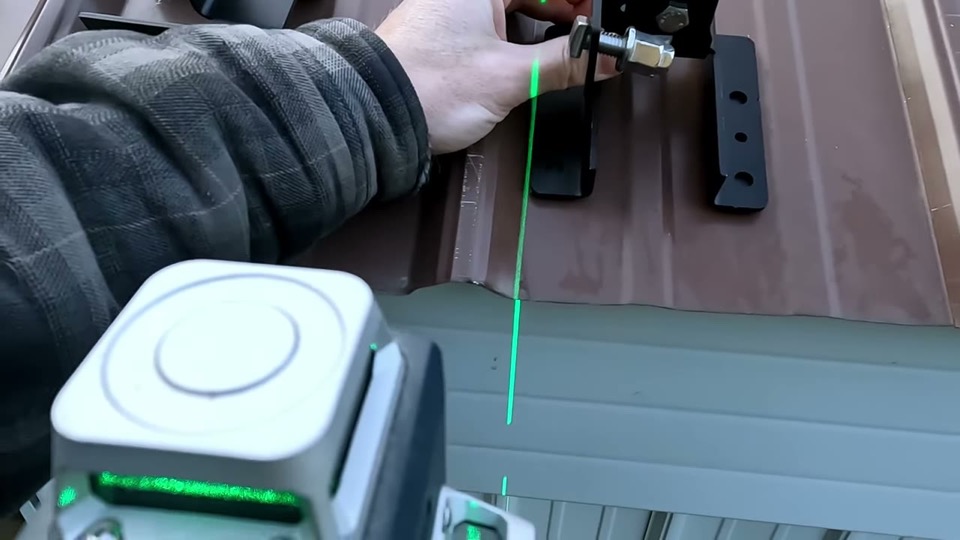
Self-leveling cross-line laser for laying out rails and mounts straight.
See it in a videoCompact powered screwdriver for running down lots of small screws.
See it in a video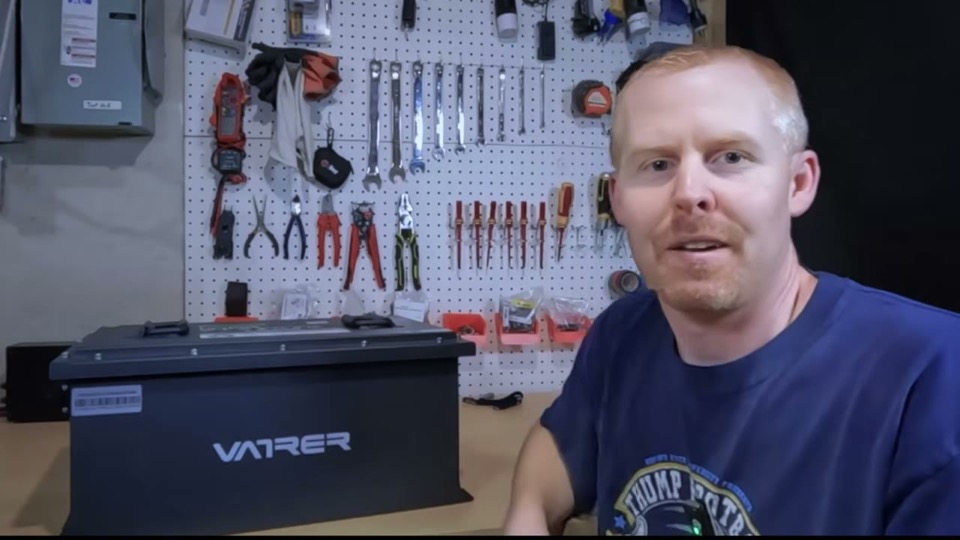
Drop-in LiFePO4 replacement for a lead-acid golf cart pack, with Bluetooth monitoring. I installed one in our Club Car Precedent.
Watch my reviewDC-DC converter that powers 12V accessories like lights and USB from the cart's main battery.
See it in a video
Compact LiFePO4 golf cart battery that comes with its own smart charger.
Watch my review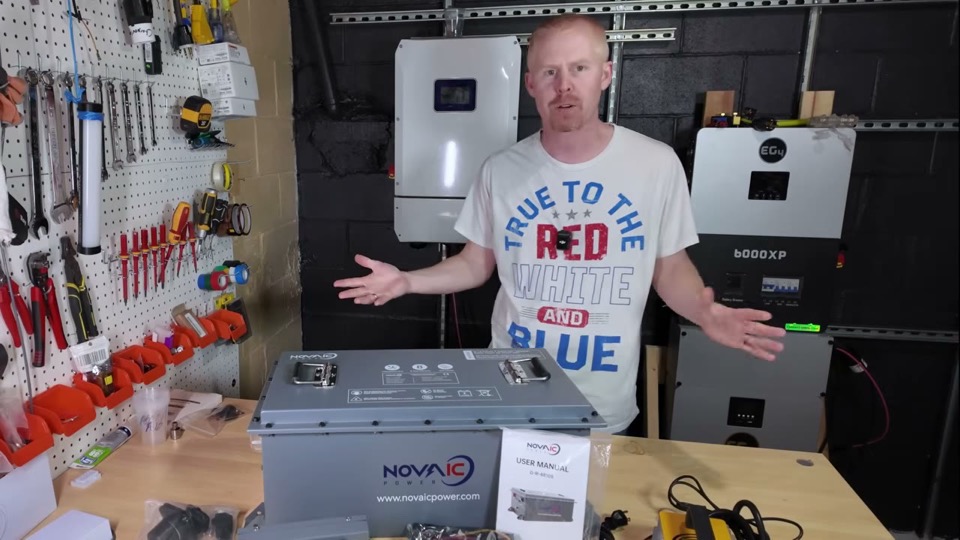
LiFePO4 golf cart battery. I opened it up to see what's inside.
Watch my review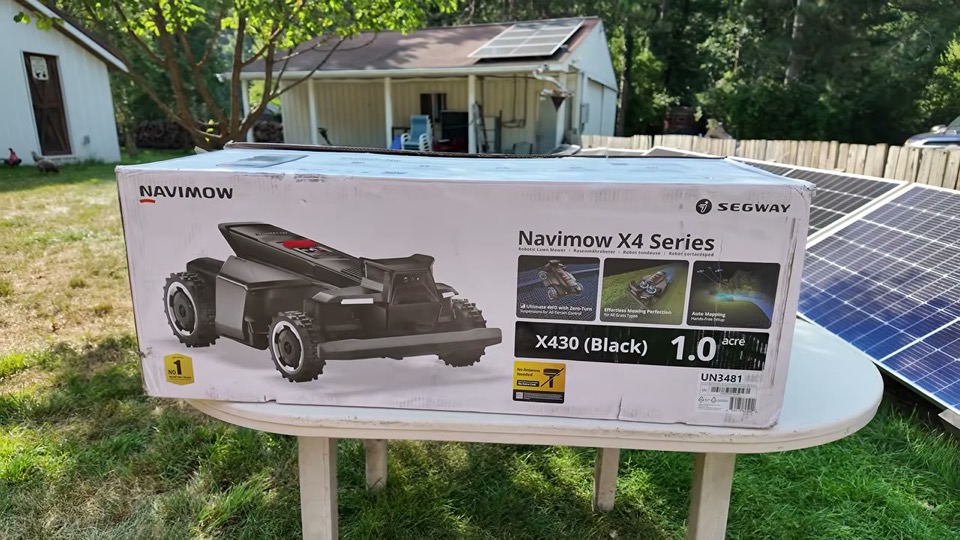
All-wheel-drive robot mower. I tested it on steep slopes, under tree canopy and around livestock.
Watch my review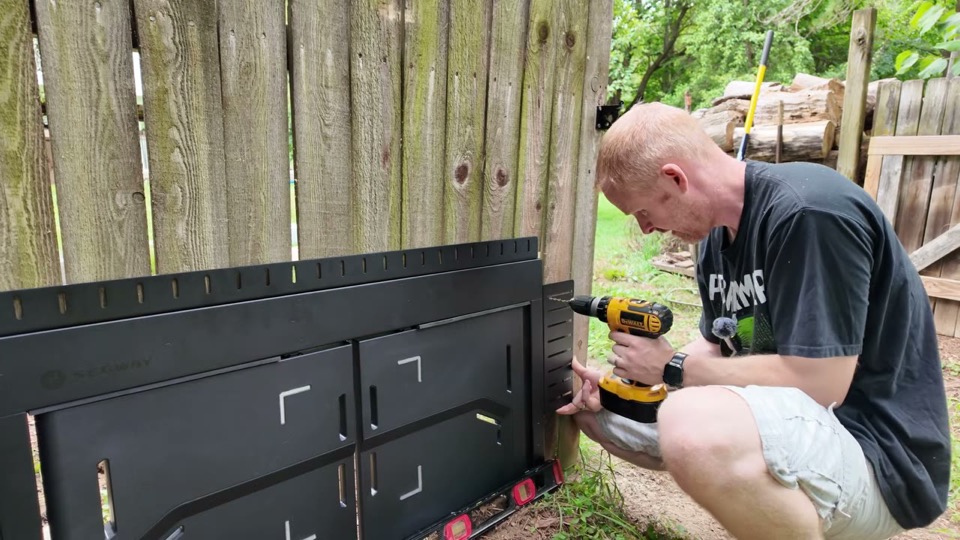
Automatic gate that lets the mower pass between fenced areas on its own.
Watch my review
All-wheel-drive robot mower, tested on the same steep, rugged yard as the Navimow.
Watch my review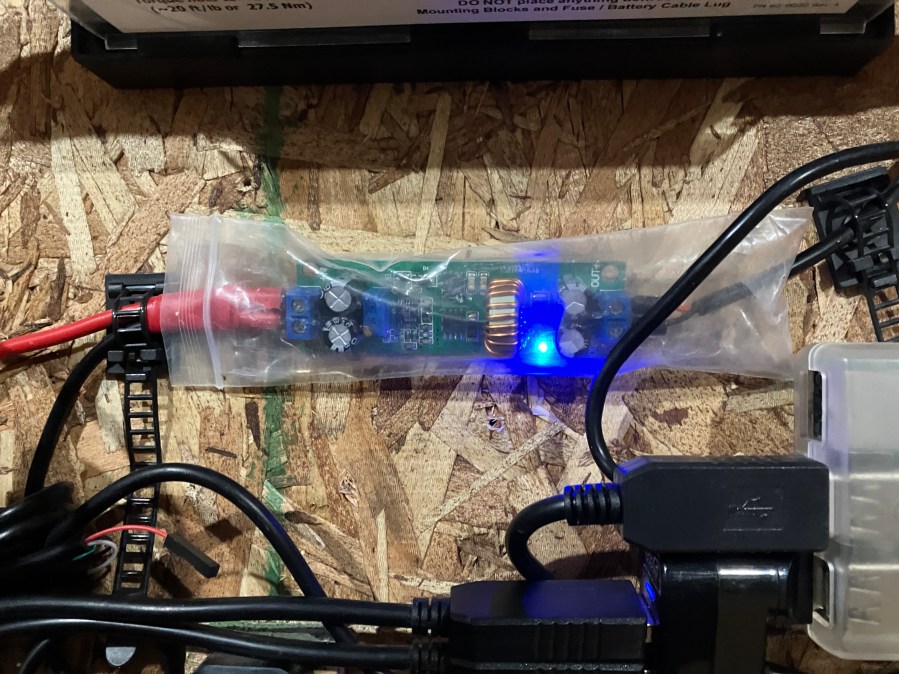
Steps battery voltage down to 12V for small DC loads like fans, lights and electronics.
See it in a video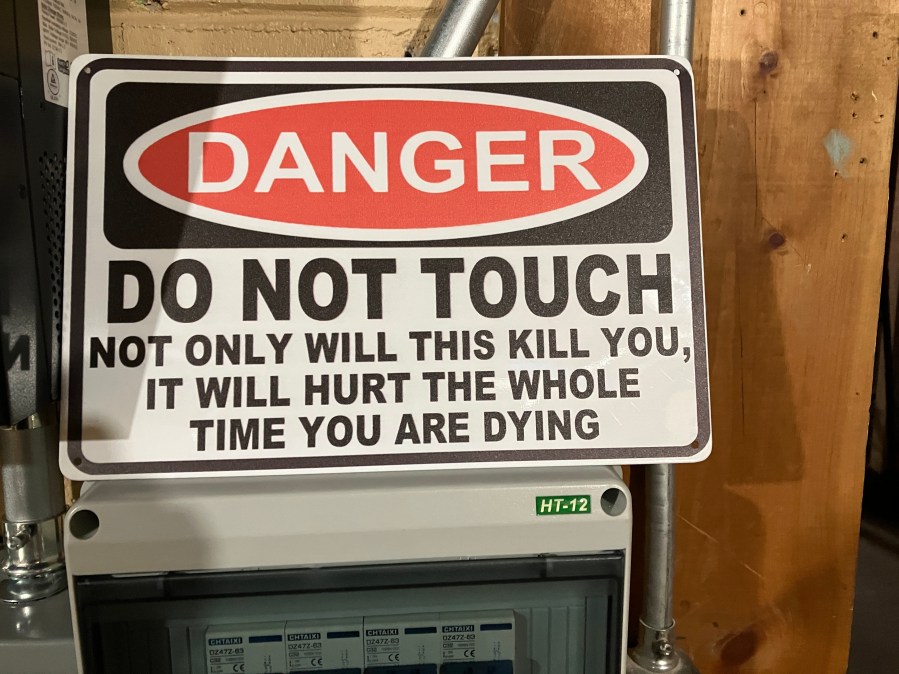
Warning label for the power room or battery enclosure: high DC current and multiple power sources present.
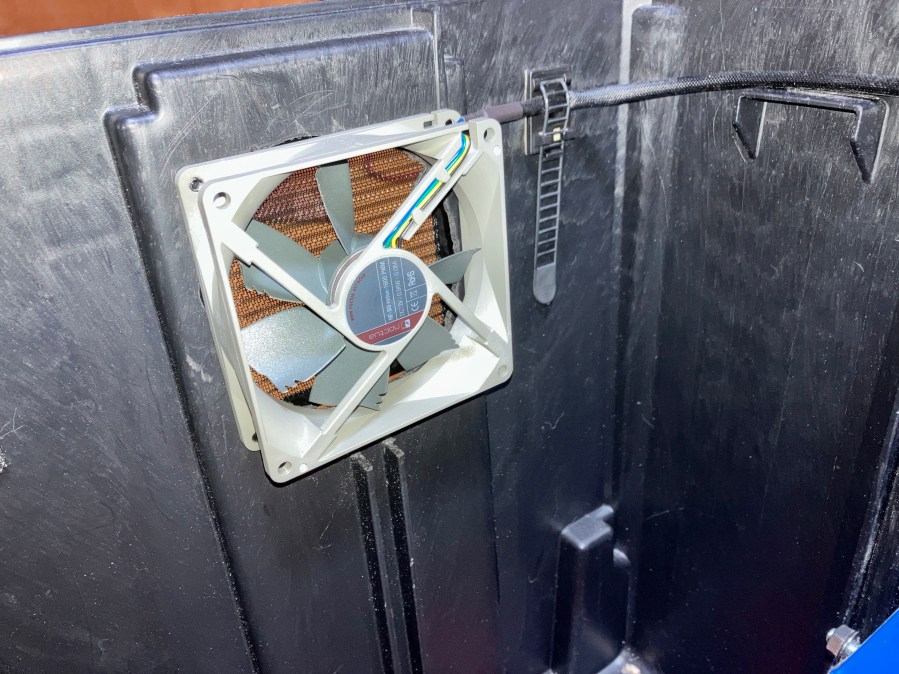
Quiet, high-quality fan that moves heat out of the enclosure.
See it in a video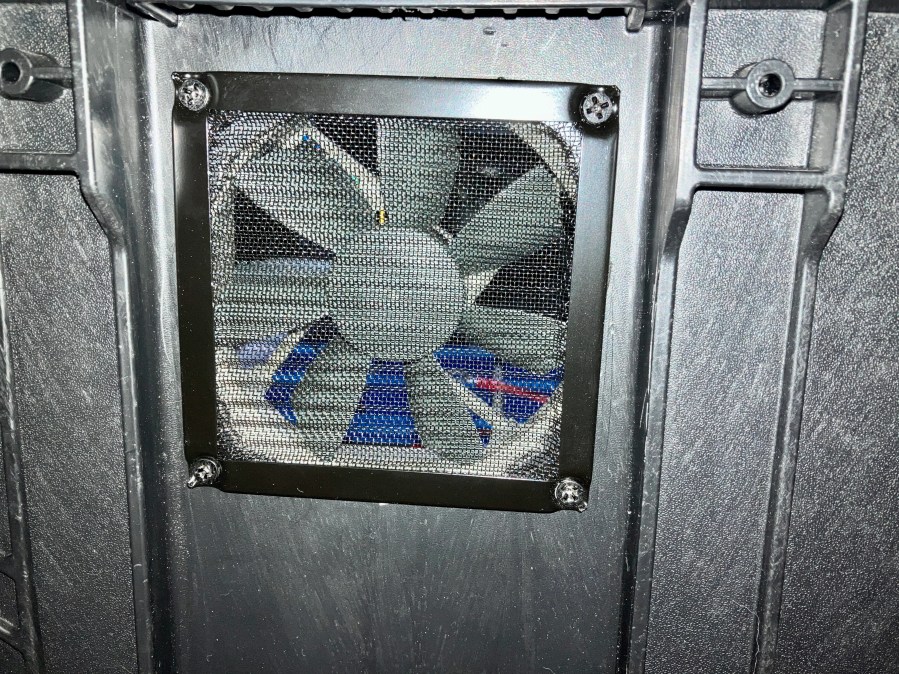
Dust filters and finger guards for the vent and fan openings.
See it in a video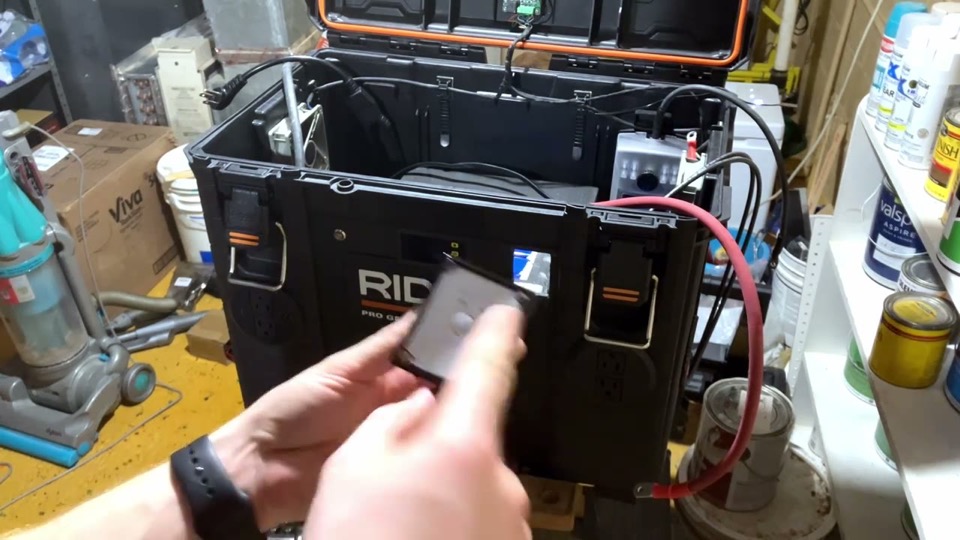
Small temperature controller with a relay that switches the cooling fan on only when the box gets warm.
See it in a videoHeavy-duty relay used as a remote on/off switch for the main battery feed.
See it in a videoAdhesive pads that cushion the cells and components inside the case.
See it in a video